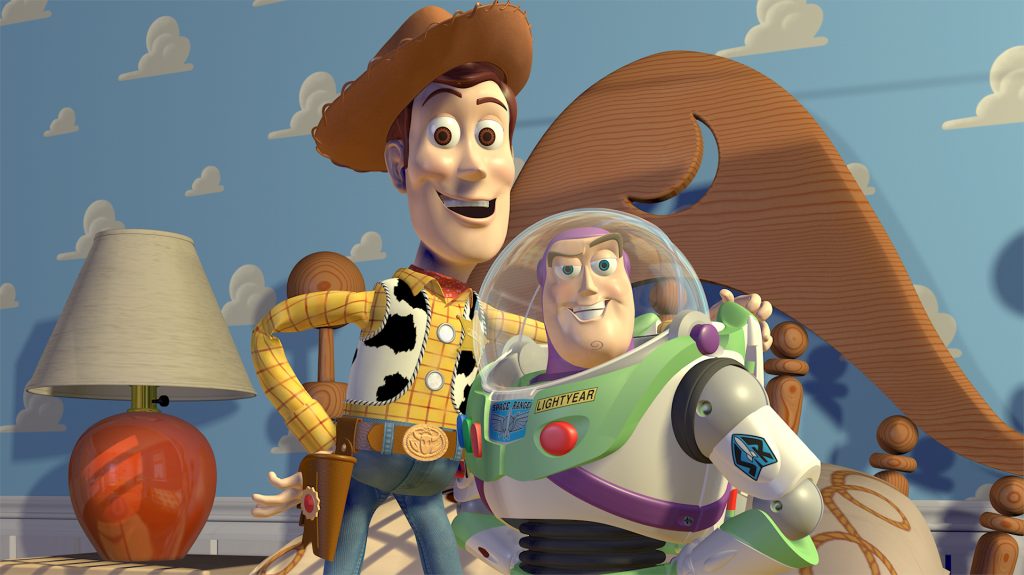
Disney and Pixar’s Toy Story 5 arrived on Disney+ this week following its run as one of the summer’s biggest blockbusters, marking the latest chapter in a franchise that has redefined what a beloved story can become.
But its impact stretches far beyond ticket sales.
Thirty years after Woody and Buzz first lit up the big screen in the 1995 original, Toy Story has grown from a groundbreaking film into a global economic engine — one whose reach extends deep into the broader economy.
A Global Footprint
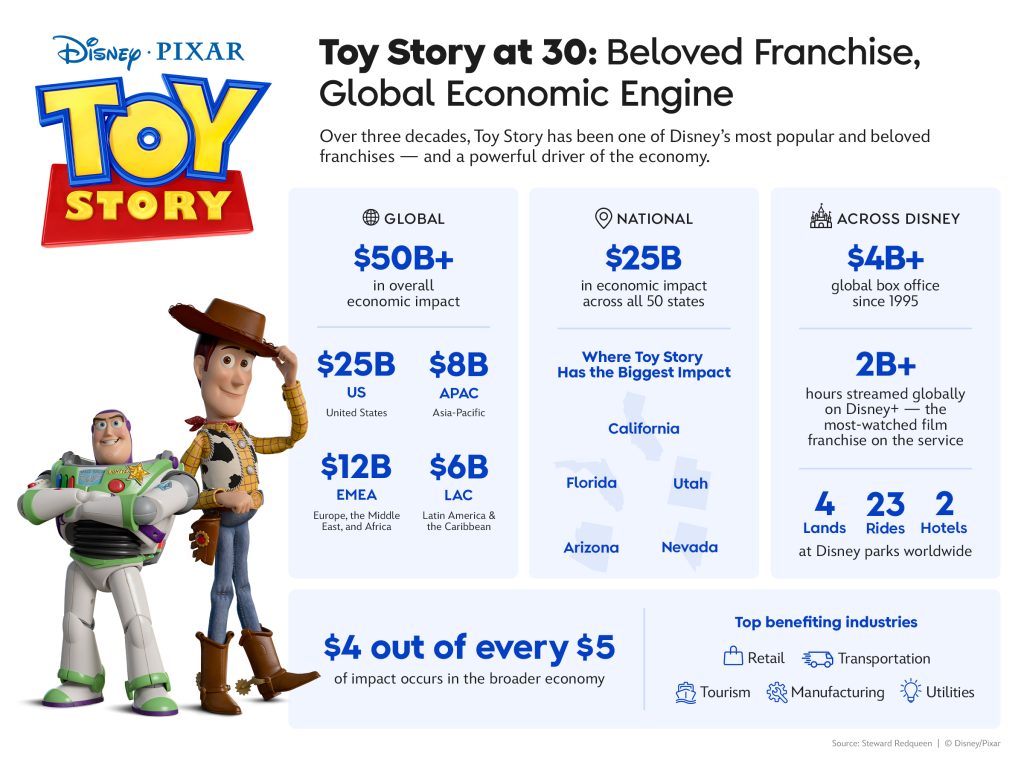
A study by independent research firm Steward Redqueen released in June ahead of the opening of Toy Story 5 found that the Toy Story franchise has generated more than $50 billion in total economic impact worldwide over the past three decades.
Even more striking: $4 out of every $5 of that impact lands in the broader economy, powering jobs and value across retail, transportation, tourism, manufacturing, and utilities.
Domestically, Toy Story has driven $25 billion in economic impact across all 50 states, with California, Florida, Utah, Arizona, and Nevada being the states where the franchise supports the largest share of the state’s GDP.
Across Disney
Since 1995, Toy Story films have earned more than $4 billion at the global box office.
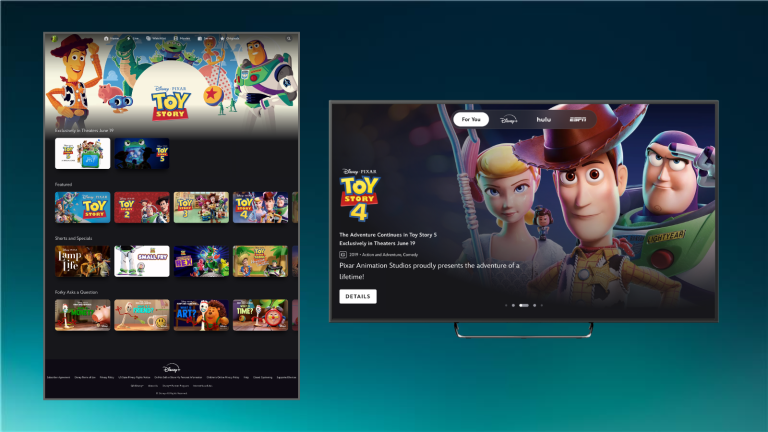
Even before Toy Story 5 hit theaters in June, fans had streamed more than 2 billion hours of Toy Story content on Disney+, making it the service’s most-watched film franchise. In fact, in anticipation of Toy Story 5, the first four Toy Story films drove over 60 million hours on Disney+ — the largest lift ever seen for an upcoming theatrical release.
And at Disney parks around the world, Andy and Bonnie’s toys have come to life across 4 fully immersive lands, 23 attractions, and 2 hotels, with experiences also extending across entertainment, dining, character experiences, and Disney Cruise Line.
A Story that Grows with its Audience
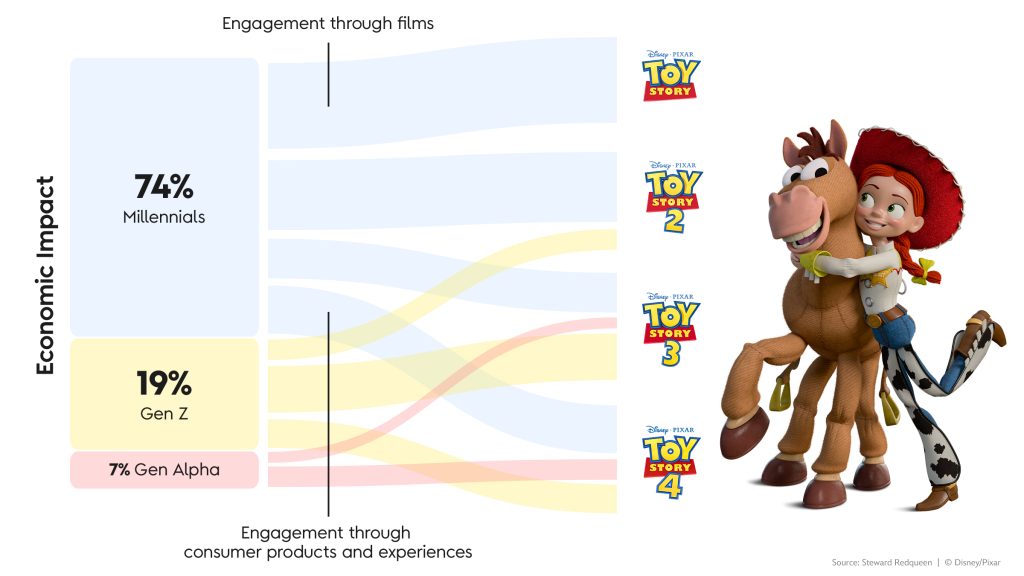
Part of what makes Toy Story such a long-lasting economic force is its rare ability to grow with and grow new generations of fans.
Millennials who saw the original Toy Story in 1995 are now bringing their own kids, Gen Z grew up with 1999’s Toy Story 2 and 2010’s Toy Story 3, and Gen Alpha met Woody and Buzz for the first time on the big screen with 2019’s Toy Story 4.
Each generation supports the franchise over time, with millennials driving the greatest impact through engagement in their early years via films and later through experiences and consumer products.
Watch on Disney+
Toy meets Tech
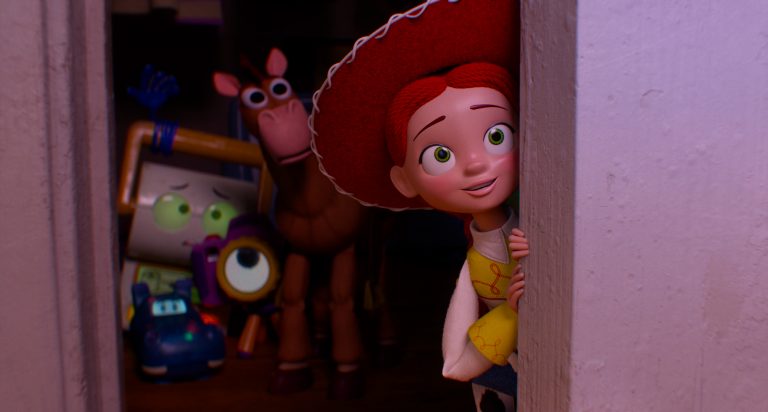
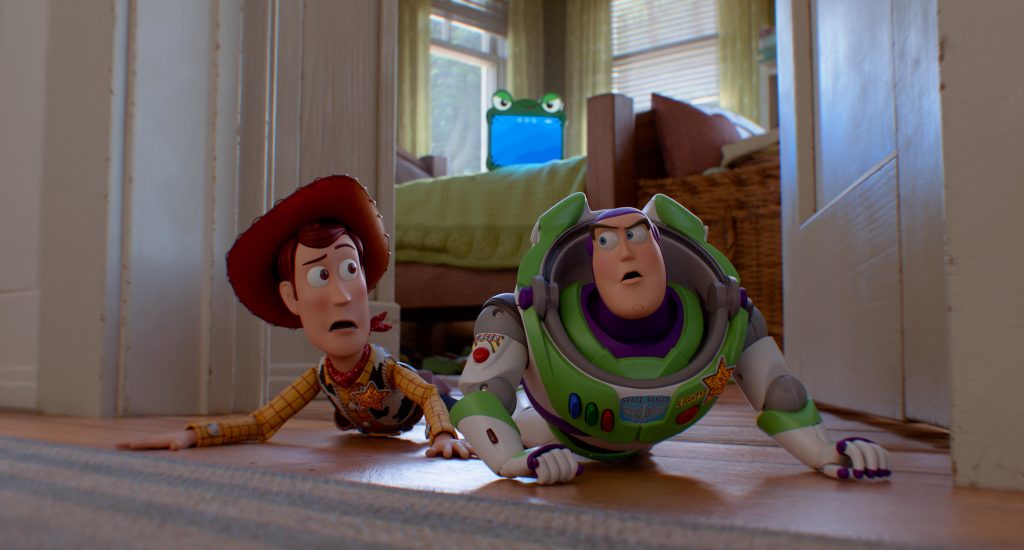
Woody, Buzz, Jessie, and the rest of the gang’s jobs are challenged when they come face-to-face with Lilypad, a brand-new tablet device.
Community Impact
The study underscores that Toy Story is more than a franchise. It’s a story of innovation, investment, and impact — one that extends beyond the screen to families and communities.
That commitment was on full display at the Toy Story 5 premiere this past summer, where attendees walking the red carpet, including the film’s stars, paused to write heartfelt messages to kids in children’s hospitals.
Through the Disney Movie Moments program, Disney, Pixar, and Starlight Children’s Foundation brought Toy Story 5 to nearly 400 hospitals, giving young patients the chance to see the film while it was in theaters. In Oakland, Orlando, and Washington, D.C., Disney went a step further, transforming hospital play areas into Bonnie’s room and hosting screenings. The company also held character meet and greets, themed activities, and more around the globe.