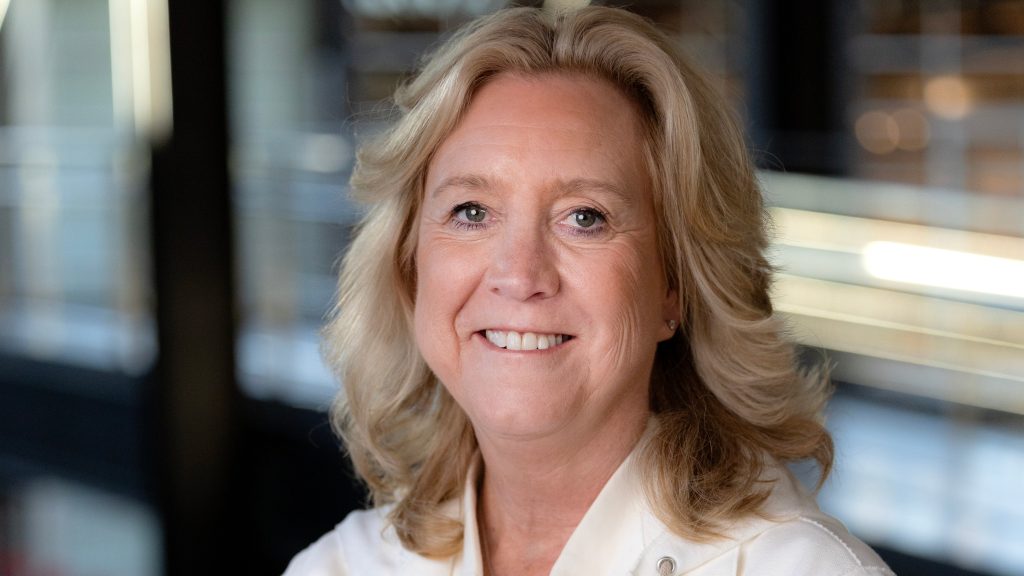
Leslie Iwerks — Academy Award®– and Emmy®–nominated filmmaker, granddaughter of Disney Legend Ub Iwerks, and daughter of Disney Legend Don Iwerks — has spent much of her career chronicling the artistry and imagination that built the company her family helped shape.
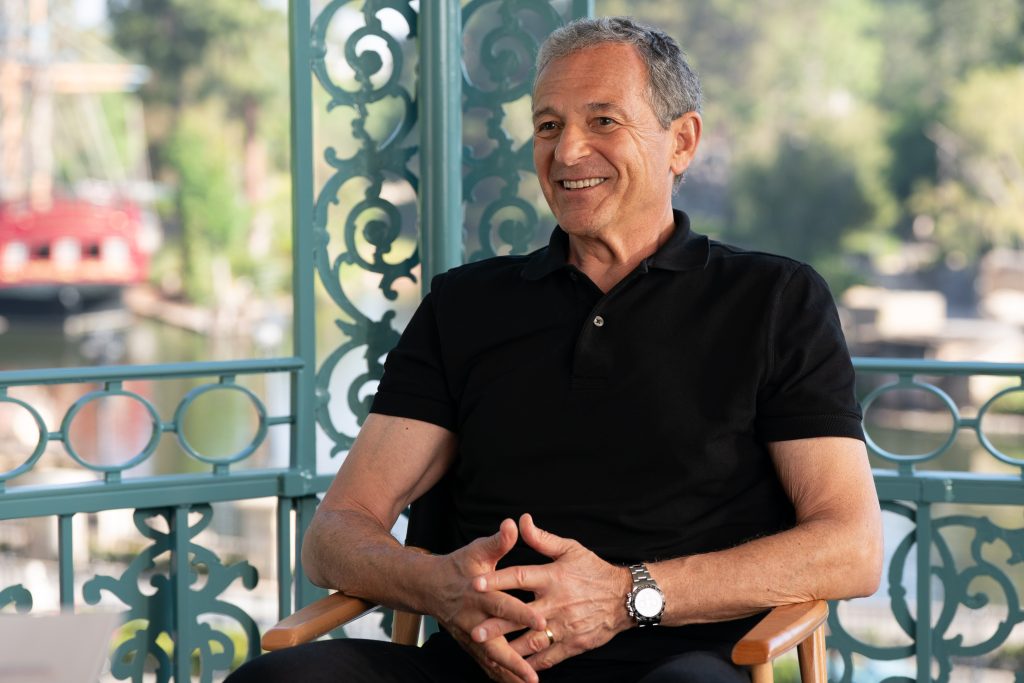
Her latest film, Disney Worldbuilders, premiering on Disney+ August 20, continues that mission. Following The Imagineering Story and Disneyland Handcrafted, the documentary sits down with some of the most influential storytellers working at Disney today — such as Bob Iger, James Cameron, Jon Favreau, Kevin Feige, Jennifer Lee, Pete Docter, Dave Filoni, Jared Bush, and Josh D’Amaro — for a series of intimate conversations about the memories that shaped them and the worlds they’re now building across films, television, games, and Disney destinations around the globe.
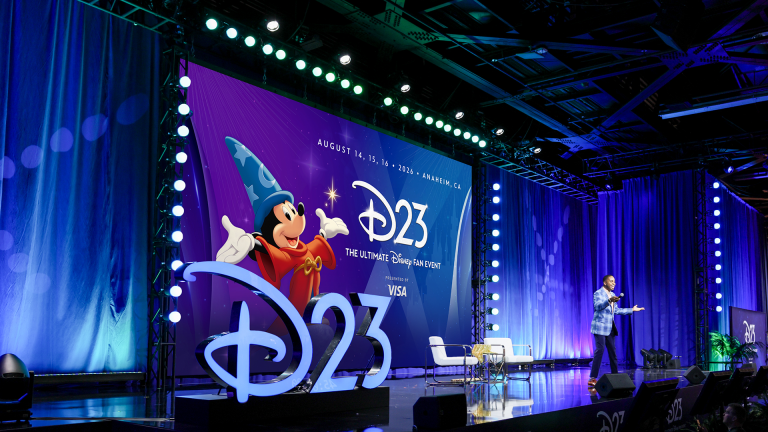
On August 16, attendees of D23: The Ultimate Disney Fan Event in Anaheim, CA, will have the chance to get an exclusive first look at the film, and Disney+ subscribers can also watch a livestreamed panel discussion with Iwerks and several of the documentary’s featured storytellers at 1:15 p.m. ET/10:15 a.m. PT. Ahead of that, we sat down with Iwerks to talk about what “worldbuilding” really means, the surprising through-line she found across every interview, and why the storytellers shaping Disney’s future all started as fans themselves.
What drew you to Disney Worldbuilders as your next project, and how did the idea evolve from a concept about creative collaboration into a full-length documentary?
Walt once said Disneyland would never be complete as long as there was imagination left in the world. That idea has always stayed with me. After Disneyland Handcrafted, I kept coming back to it and wondering how it lives on in the storytellers working today and shaping tomorrow.
So, I sat down with the Disney filmmakers whose craft I’ve admired for a long time. What I heard, again and again, was how much of their own creative drive traces straight back to what Walt built at Disneyland and in the parks around the world. These are filmmakers who have achieved more than most people ever might, whether it be a top box office film, a #1 hit, winning an Oscar or getting their film made into an attraction or land. But what was refreshing was not only their humility, but once they completed that goal, they wanted to get right back into the thick of their next project, to evolve and advance.
The film’s title, Disney Worldbuilders, is a powerful one. What does “worldbuilding” mean to you in the Disney context — and how did you want that idea to land with audiences by the end of the film?
Worldbuilding, to me, is about the intention behind wanting audiences to feel something so powerful they don’t want to leave. As I talked with the filmmakers, I could hear that intention being carried from the moment these worlds are dreamt up and created in a filmmaker’s imagination, to when they are translated into a script, to the moment a story stops living on a page or screen and becomes something audiences can walk into and live in.
Walt’s legacy speaks to that idea, and I believe these filmmakers share that focus. My hope is that people finish this film with a new appreciation for that creative vision, and for the storytellers who bring these worlds to life.
This film explores how Disney storytellers work together to build worlds that extend across films, television, games, experiences, and beyond. What makes D23 one of the ideal settings to showcase that story for fans?
D23 is where fans come to celebrate their love for Disney’s stories and legacy — what place could be more perfect? I’ve been to D23 many times over the years, and there’s great energy in that whole place. These are people who feel deeply connected to these stories, who’ve grown up with them, who pass them down. This film is a testament to that connection — to the fans, to the creators, to the parks. Sharing it first with the people who live these stories every day feels exactly right.
Your film features talent and executives across Disney Studios, Pixar, Marvel, Lucasfilm, and Disney Experiences. What did you learn about how these creative teams work as one to bring stories to life on screen and beyond?
First of all, these filmmakers are true fans themselves. Every one of them talked about growing up inspired by Disney’s films and Disney’s parks. Getting to be part of the company they’ve loved and admired their whole lives is genuinely astounding to them.
You could hear it in the way they talked about their work. They’re building worlds because a world once opened up for them. It made me realize just how much of what audiences see on screen comes from very real memories these creators carry with them.
What I found most extraordinary is that I sat with each of them separately, and yet what they said connected so deeply. Even though these filmmakers all work in different corners of the Disney universe, on very different kinds of stories, there’s this incredible sense of shared purpose across everything they do. Their stories start on screen and are then brought to life around the world at Disney Experiences through incredible collaboration with the Imagineers. To me, this film shows what working as one looks like across Disney.
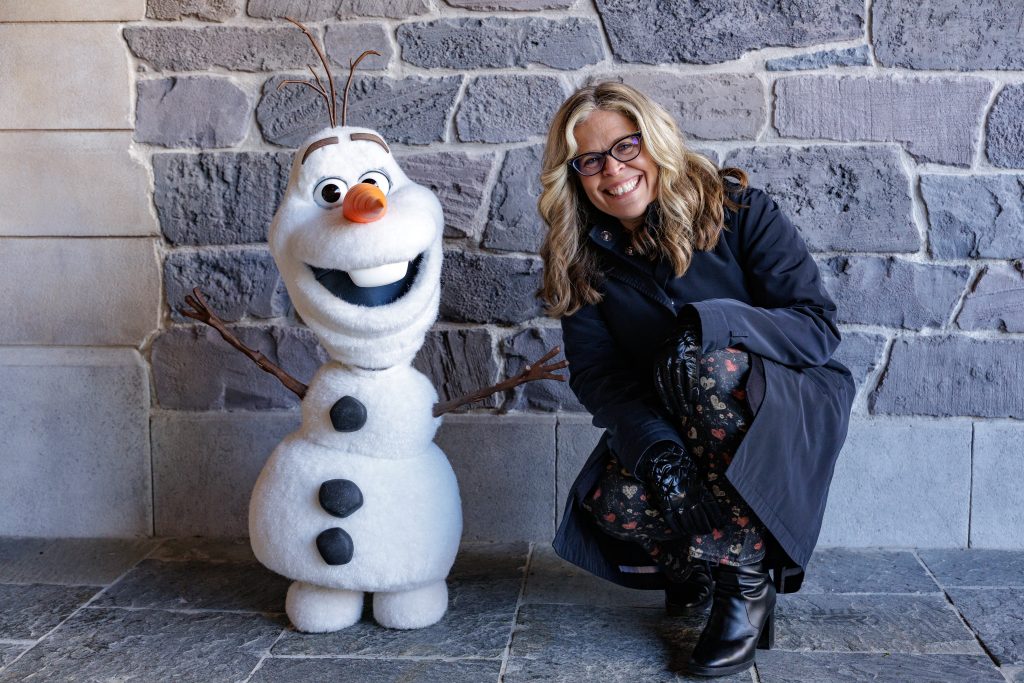
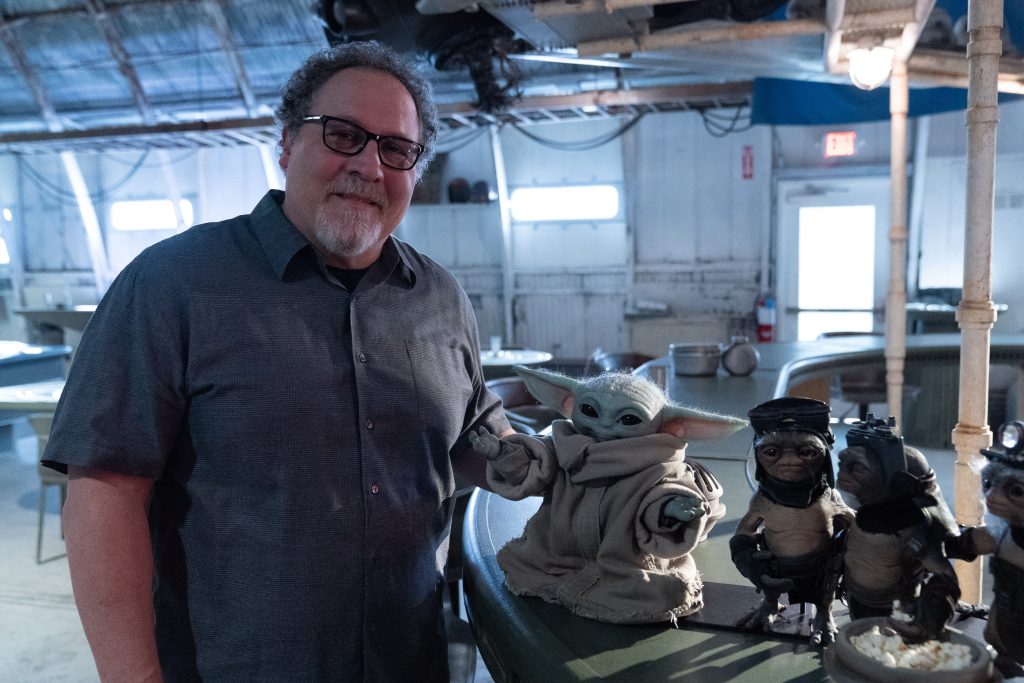
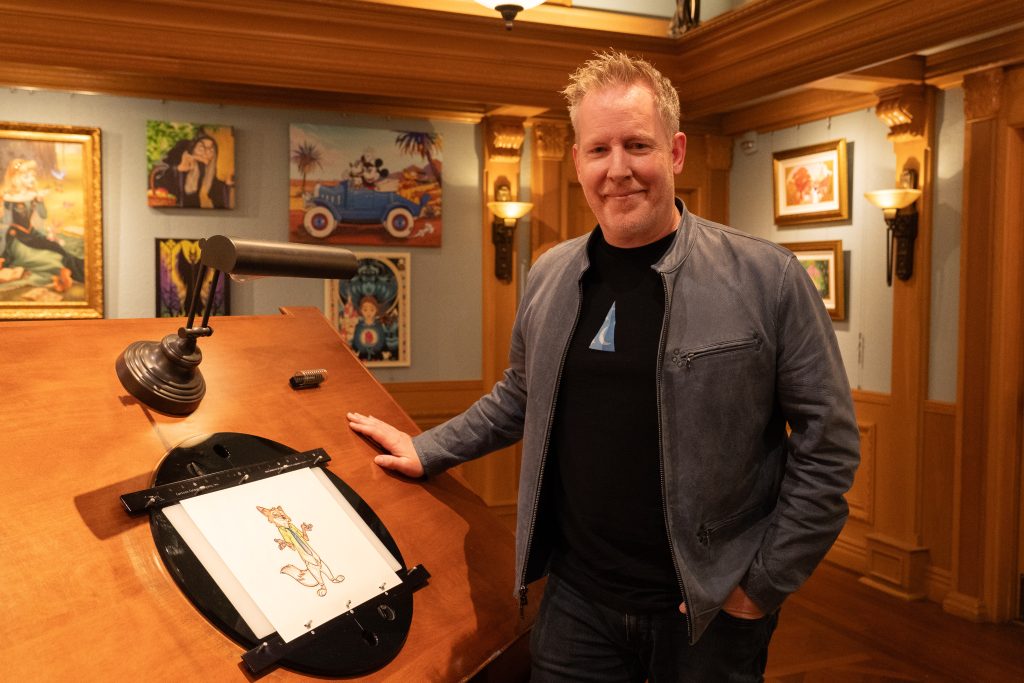
Were there any moments during your interviews — a story, an anecdote, a piece of insight — that surprised you or reframed the way you thought about how Disney tells stories?
So many! But the moments that stayed with me most were the personal memories. Kevin Feige remembering his first ride on Space Mountain, and how the sensation of shooting into darkness never left him. Jennifer Lee talking about being a young girl finding Cinderella at a moment when she needed her. Jared Bush’s mom making him a homemade Peter Pan costume so he could feel like he was flying. Pete Docter describing how his family trips to Disneyland were the highlight of his year.
These are the memories of children who grew up loving something so deeply that it shaped their entire lives, and who then got to become the ones building it. What also stayed with me is the optimism running through every conversation. These filmmakers genuinely believe in the power of storytelling to create joy and hope for the next generation, and they’re building with that same purpose Walt did. Hearing all of these stories one after another, I realized this film is really about why Disney’s stories matter so much to the people making them.
It was also so much fun to walk through the parks with Pete, Jen, Kevin and Jared early in the morning or late at night, and experience it all from their very personal and unique perspectives. What details excited them, what they laughed at or were surprised by. Just like Walt, they were big kids walking through their own lands, seeing their own characters and experiencing a fantastical world they helped create.
There were so many inspiring personal moments and behind the scenes details – we couldn’t include them all in the film…we’re thinking through ways we can share them all with the fans.
Innovation and technology are central to the way Disney’s storytellers push the boundaries of what fans can experience. How does the film capture the role that cutting-edge technology plays in bringing these worlds to life across screens and in-park experiences?
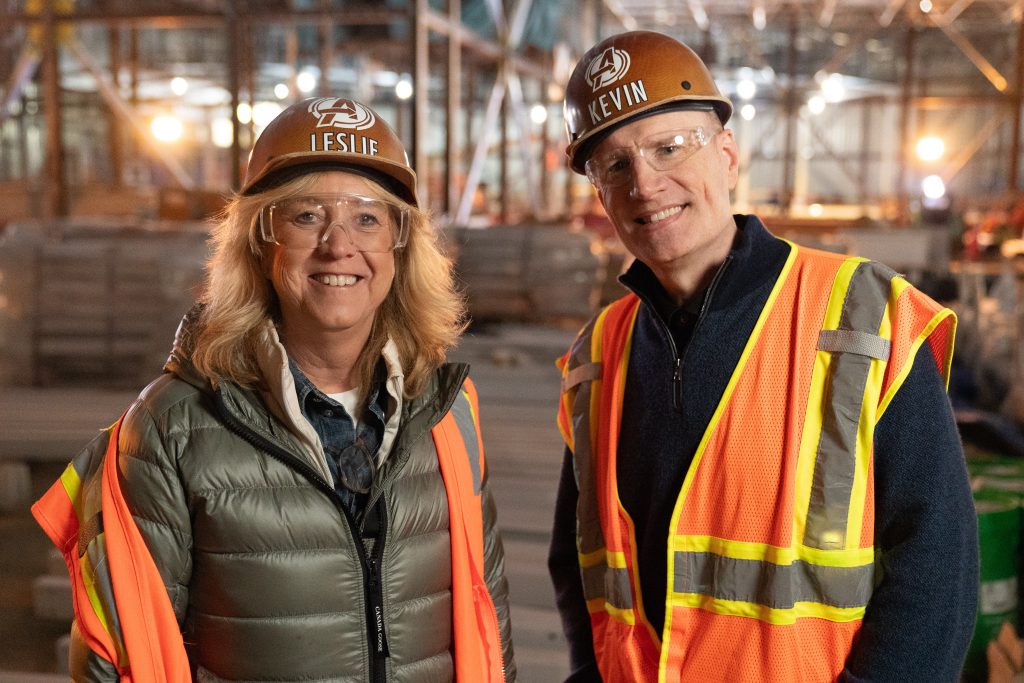
Technology comes up time and again throughout the film. Jon Favreau speaks about how the machine learning behind the BDX droids lets them move like living characters. Kevin Feige describes the new attraction being built at Avengers Campus and how the ride system with screens that shift with the guest’s point of view is going to redefine what a themed experience can be. And James Cameron said something that has stayed with me: the imagination doesn’t change, but every single one of the tools he uses to tell his stories has.
What’s remarkable is how many of these filmmakers had ideas years ago that they simply couldn’t build yet. Pete Docter spoke about Pixar attractions that had been dreamed about for decades but were waiting on the technology to catch up. Kevin Feige talked about advances in ride systems that are finally letting Marvel stories be told in ways that felt impossible before.
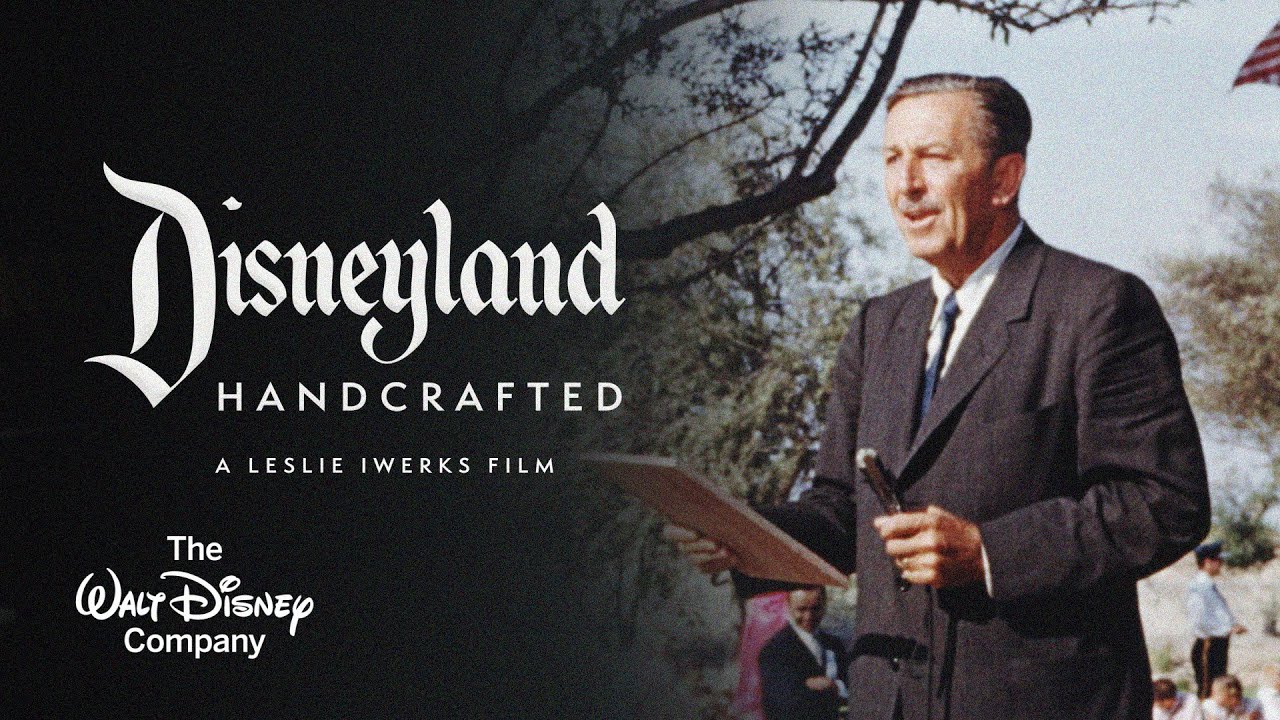
After telling stories like The Imagineering Story and Disneyland Handcrafted, how does Disney Worldbuilders fit into your own body of work chronicling the company?
Each of these films answers a slightly different question. The Imagineering Story was about the creative ingenuity needed to bring worlds to life, day in and day out. Disneyland Handcrafted was about the origin, when Walt and a small group of dreamers took huge risks to create something no one had done before. Disney Worldbuilders is about how we got to present day and what happens next. It’s about storytellers who grew up loving Disney and are now shaping its future.
To me, it feels like a natural continuation. Different perspectives, different eras, different storytellers, but the same core question that’s really driven many of my films for Disney: what does it take to build a world audiences want to live in? Making this film showcases that legacy is something you actively carry forward, and it was great to witness these filmmakers doing that in their own way.