In the late 1970s, Bill Rasmussen and his son Scott had an idea that was met with eyerolls, laughs, and total incredulity. Merely 14 months later, on September 7, 1979, they not only proved their doubters wrong, but also created perhaps the most influential sports media brand in history: ESPN.
Up until that point, sports on television was kept mainly to weekend afternoons and Monday Night Football. Rasmussen’s gamble was betting that there was an appetite for a channel devoted to sports 24 hours a day, seven days a week.
“Bill believed that there was a nation of insatiable sports fans and built the business to serve them,” said Mike Soltys, ESPN’s Historian, who has been with the network since close to that opening day. “A great idea and perfect timing, with the advent of cable, fueled the giant success.”
On Monday evening, fans will be able to dive even deeper into that history with the documentary Sports Heaven: The Birth of ESPN, premiering on ESPN.
The Birth of ESPN
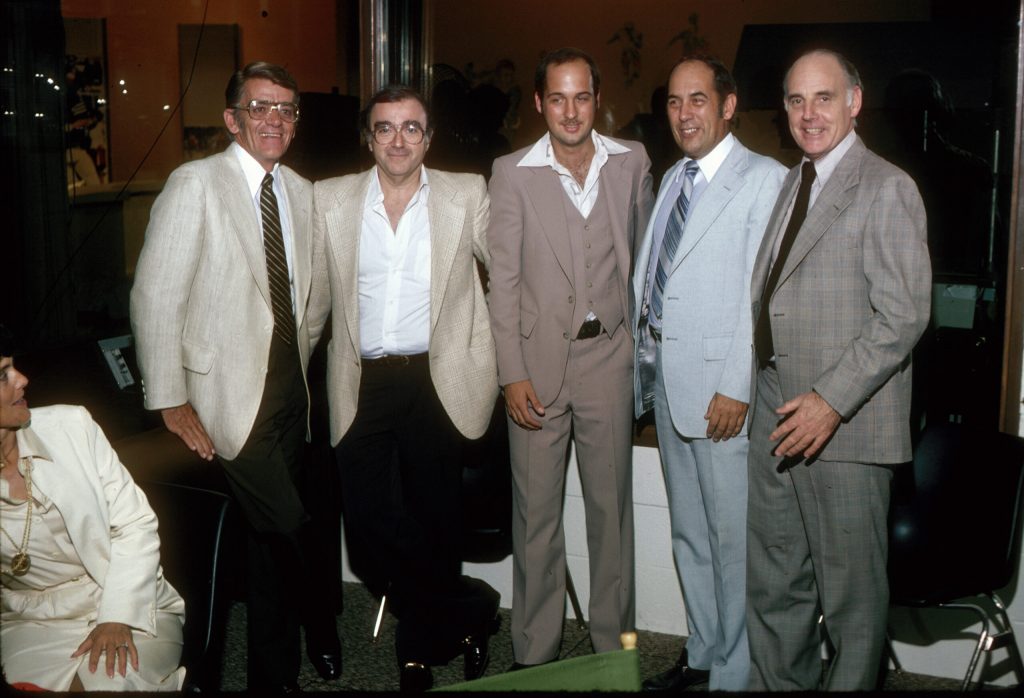
In 1978, Bill Rasmussen had just been fired from his position with the New England Whalers of the World Hockey Association. Together with his 22-year-old son, Scott, they hatched a plan for the creation of a 24/7 sports network and set a launch date just over a year later that they refused to move.
According to the director of Sports Heaven, Greg DeHart, setting that ambitious timeline was proof of, “how deeply they believed in their idea, and how that belief created opportunities with sheer will.”
Setting up shop in Bristol, Connecticut, they got to work devising a business plan, hiring a talented team, securing financial backing from Getty Oil, and making deals with the likes of RCA, Anheuser Busch, and major cable operators.
While having a 24/7 news network was a key innovation in and of itself, the Rasmussens were also unafraid to embrace new technology to bring their vision to life. Even though the network made its base in Bristol, utilizing satellite broadcast methods allowed it to reach a national stage.
“A satellite hovering some 22,000 miles above earth that could transmit a broadcast signal across the entire United States, 24/7,” DeHart explained was key to ESPN’s initial exposure. “But as exciting as that possibility was, it also created a huge challenge — finding enough programming to fill all that time.”

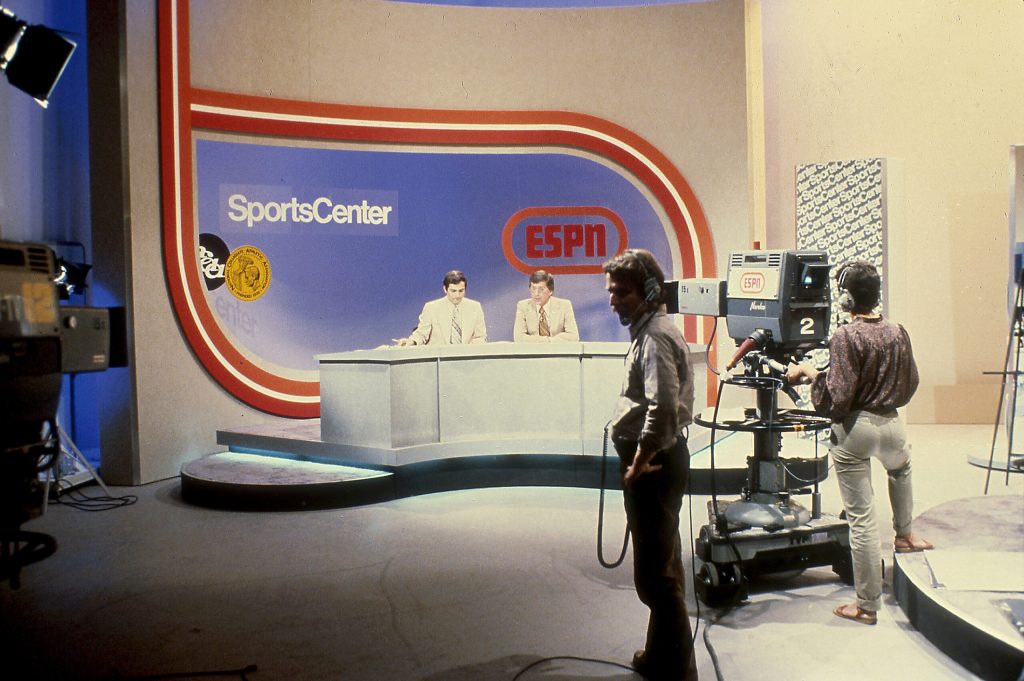
So, they negotiated key programming agreements to fill the airwaves, which included a landmark deal with the NCAA. While that deal generated attention, the network’s early schedule also featured a mix of more obscure sports, highlights, and studio programming — such as SportsCenter, still ESPN’s flagship program — which in turn established its groundbreaking model for round-the-clock sports coverage.
Those efforts lead to the famous first moments of ESPN’s existence on September 7, when Lee Leonard uttered the legendary words from which the documentary took its name; “If you’re a fan, what you’ll see in the next minutes, hours and days to follow may convince you you’ve gone to sports heaven.”

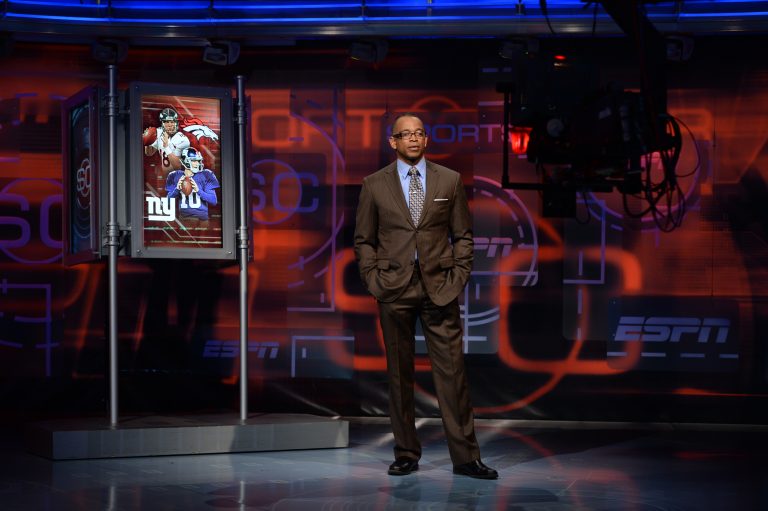
Continued Evolution
Of course, that was over 46 years ago, and ESPN hasn’t rested on its groundbreaking laurels.
“Today, ESPN is the cultural meeting place for sports fans across the world,” DeHart noted. “Simply, if you want to watch sports, you go to ESPN first.”
Soltys, who is also a producer on Sports Heaven, dug into how ESPN achieved that.
“A lot of success came with riding the opportunities; cable expansion, radio, international, digital, social and now direct-to-consumer,” he said. “ESPN has always invested in the next distribution model and that is why we remain No. 1 for sports in the minds of consumers.”
Part of what fueled that growth was ESPN joining The Walt Disney Company as part of its acquisition of Capital Cities/ABC in 1996.
“The alignment with ABC has been critical through the years,” Soltys said. “Even in 2026 the power of having a broadcast partner is necessary to maximize opportunities with leagues, advertisers and fans.”

With the launch of it standalone direct-to-consumer streaming service last year, ESPN once again innovated, offering fans unprecedented access to the full ESPN ecosystem — live games, studio shows, original content, and all 12 networks — without the need for a traditional cable subscription.
“Through ESPN’s entire history it has shaped the modern-sports ecosystem,” Soltys said. “By focusing on the fan, ESPN became synonymous with sports. So the fan leaned into ESPN whether that was on TV, radio, digital and when social emerged.”
The fan continues to be the guiding principle of ESPN. Bill Rasmussen recognized the appetite of sports fans back in the 1970s, and since, stewards of the network have continued to be laser focused on the needs and desires of fans.
“[Former ESPN President] George Bodenheimer and [current ESPN Chairman] Jimmy Pitaro both talk in the documentary about the importance of the culture that was established in Bristol in 1979 and that it still lives on in 2026,” Soltys said.
It comes down to those early words voiced during the first broadcast: “If you’re a fan.”
In 2026, that statement still serves to guide the mission of ESPN, which has maintained its status as an innovator and leader in sports: To Serve Sports Fans. Anytime. Anywhere.