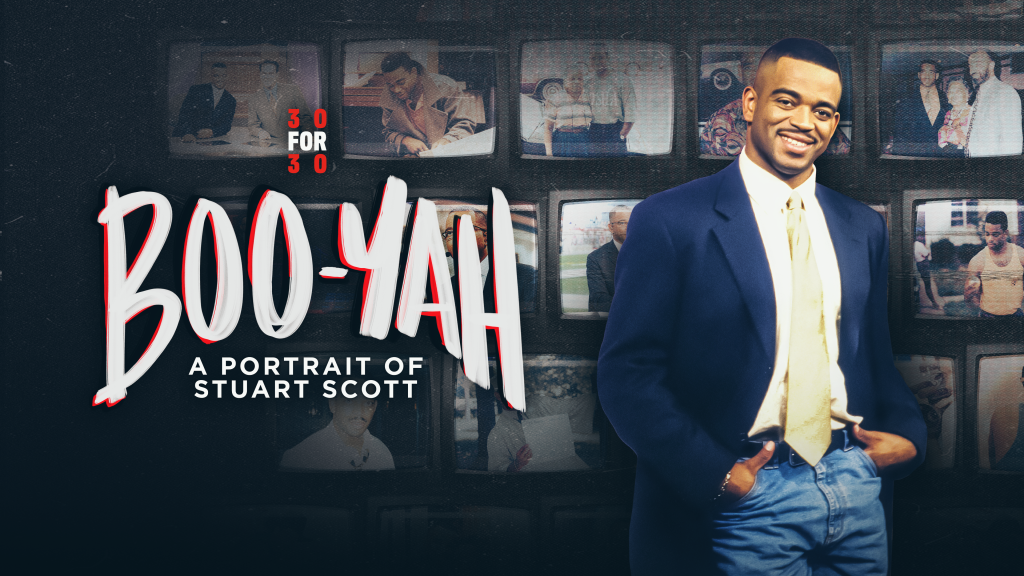
Stuart Scott was more than a familiar anchor on ESPN, he was a trailblazer whose voice and presence transformed the landscape of sports media.
The latest ESPN 30 for 30 documentary — Boo-Yah: A Portrait of Stuart Scott, which premieres on ESPN, the ESPN app and Disney+ on Wednesday at 9pm ET — delves into the vibrant life of Scott, tracing his journey from groundbreaking broadcaster to cultural icon, and highlighting the authenticity that anchored every aspect of his career.
Through unprecedented access to personal archives and heartfelt reflections from colleagues, the film offers an intimate portrait of a man who inspired millions by staying true to himself, even in the face of profound personal challenges.
We spoke with Andre Gaines, the producer and director of the film, to learn more.
What inspired you to choose Stuart Scott’s life as the subject for a 30 for 30 film?
Stuart Scott was more than a sports anchor — he was a cultural force. His voice reshaped the way sports was talked about and who felt seen in that conversation. When I learned how much of his own life Stuart documented — his training sessions, his family moments, even pieces of his battle with cancer — I realized there was a story here that only he could tell. The inspiration came from wanting to honor that legacy while giving audiences a deeper, more intimate look at the man behind the mic. Stuart changed the game, and I felt a responsibility to show how and why, especially at a moment when authenticity in storytelling matters more than ever.
Stuart Scott’s story spans sports, culture, and personal resilience. How did you decide which thread would anchor the film?
The connective tissue became authenticity — Stuart’s unwavering commitment to being himself in every room he entered. Whether he was breaking highlights with his signature flair, navigating the complexities of race and representation in media, or fighting cancer with astonishing courage, that authenticity grounded every chapter of his life. We used that as the anchor, allowing the film to move fluidly between arenas of sports, culture, and personal struggle. It created a narrative framework that felt true to Stuart: fearless, dynamic, and unapologetically real.
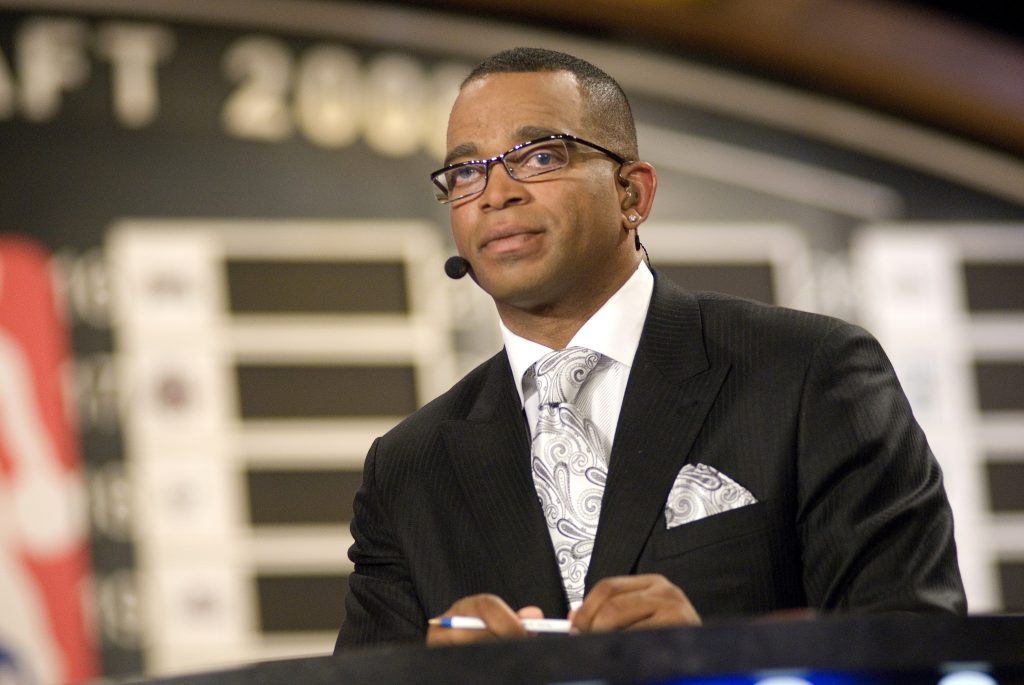
This documentary focuses on one of ESPN’s most beloved anchors. How did ESPN help you tell his story?
ESPN opened its archives and its heart. They gave us unprecedented access to decades of footage, editorial notes, and behind-the-scenes materials that showed Stuart not just as a broadcaster, but as a colleague, a mentor, and a friend. The current and former ESPN talent we interviewed spoke about him with such depth and affection that it shaped the emotional tone of the film. Their support allowed us to paint a portrait that was both expansive and intimate, reflecting the full spectrum of Stuart’s impact within the company and beyond.
The documentary features never-before-seen footage from Stuart’s personal collection. What was the most challenging part of integrating those intimate moments into a comprehensive film about his life, which was largely lived in public view?
The challenge was respecting the intimacy without losing the scope. His personal footage is raw, emotional, and sometimes vulnerable in ways that contrast sharply with the confident, charismatic figure viewers grew up watching on television. We had to find the balance between those worlds — letting audiences into his private life while honoring the privacy he maintained. Ultimately, the key was treating that material as Stuart intended: as part of his ongoing effort to tell his story honestly. Integrating those moments required sensitivity, restraint, and a deep understanding of the legacy he hoped to leave behind.
Stuart faced cancer with remarkable courage while continuing to work. How did you weave Stuart’s battle into the fabric of the film?
We treated his cancer as a thread interwoven throughout the third act of the film — it was more than just a chapter. He never wanted his illness to define him, and yet it shaped his perspective, his work, and his relationships. By allowing his own recordings, journal entries, and on-air moments to guide the structure, we were able to show a man who chose purpose over fear. We wanted viewers to understand the emotional complexity of that fight, while also recognizing that his courage was not performative — it was who he was at the deepest level.
If a young broadcaster asked what they should learn from Stuart’s career, what would you tell them, and how does the film reinforce that message?
I’d tell them: Be yourself, relentlessly. Stuart broke barriers because he refused to dilute who he was. He brought his full identity — his language, his culture, his experiences — to the screen, and in doing so made millions of people feel valued. The film reinforces that message by showing the courage behind those choices, and by revealing the intentionality with which Stuart shaped his voice. For any young broadcaster, his story is a reminder that authenticity isn’t just a style — it’s a strategy for longevity, impact, and connection.