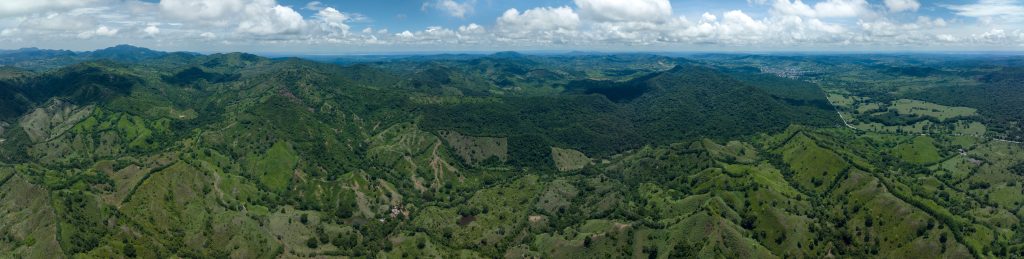
Celebrating latest grant recipients marks start of Disney’s 30 days of environmental stories
As Earth Month approaches, The Walt Disney Company is highlighting conservation and sustainability stories from around the world through a monthlong series leading up to Earth Day on April 22. For more than 30 years, Disney Conservation Fund (DCF) has supported conservation efforts globally, combining philanthropic grants and Disney expertise to protect wildlife, restore ecosystems, and inspire action for the planet. This year, DCF is supporting 25 organizations across 16 countries, bringing its total global conservation investment to more than $141 million since its inception in 1995. DCF’s investments are a key example of our Disney Planet Possible commitment to take meaningful and measurable action for a healthier planet for people and wildlife.
Today, Disney is shining a spotlight on five of the latest Disney Conservation Fund grant recipients, whose work aims to protect, restore and rewild more than 120,000 square miles of corridor habitat — nearly twice the size of Florida.
“The Disney Conservation Fund embodies our Disney Planet Possible commitment to take meaningful and measurable action for a healthier, happier planet,” said Yalmaz Siddiqui, vice president of environmental sustainability at The Walt Disney Company. “These projects were selected for their ability to connect critical spaces for people and wildlife, backed by strong science, meaningful collaboration, and conservation programs co-developed with local communities, helping ensure restoration and rewilding efforts deliver real benefits for the people who depend on them today and for future generations to come.”
Safeguarding the Heart of the Savanna
The African elephants guests encounter at Disney’s Animal Kingdom Theme Park help bring the story of conservation to life. Through the Disney Conservation Fund, those powerful moments of connection extend far beyond Kilimanjaro Safaris — supporting organizations like Save the Elephants that are working to protect African elephants in the wild.
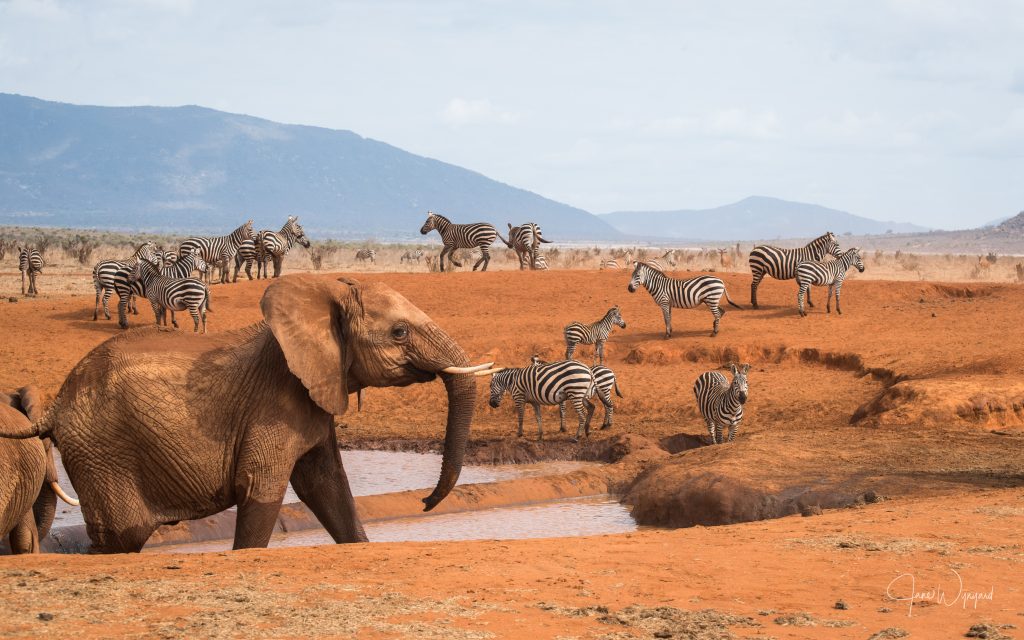
With support from DCF this year, Save the Elephants is partnering with a community bordering Tsavo East National Park, Kenya, and organizations across Africa to establish a Community Conservancy protecting a critical 12.5 square-mile corridor to enable elephants to move safely between protected areas, including through a critical railway underpass, within the rapidly developing Tsavo Landscape. The initiative will deliver tangible benefits to the local people, including employment opportunities, livelihood programs and sustainable long-term human-elephant management strategies, helping this community see the value of conserving their land for wildlife and elephant migration and future security.
Nighttime Pollinators with a Powerful Role
Bat Conservation International is helping protect threatened and endangered nectar-feeding bats across Mexico and the U.S. Southwest by restoring critical migratory pathways these species depend on. Over the next two years, the organization will work with landowner and organizational partners to implement sustainable agriculture practices, restore and reconnect eight key stopover sites spanning 675 miles, and plant nearly 140,000 native agave plants to create a connected “nectar corridor.” These climate-resilient habitats support important pollinators like the greater long-nosed bat, lesser long-nosed bat and Mexican long-tongued bat, while also strengthening land health and local livelihoods.
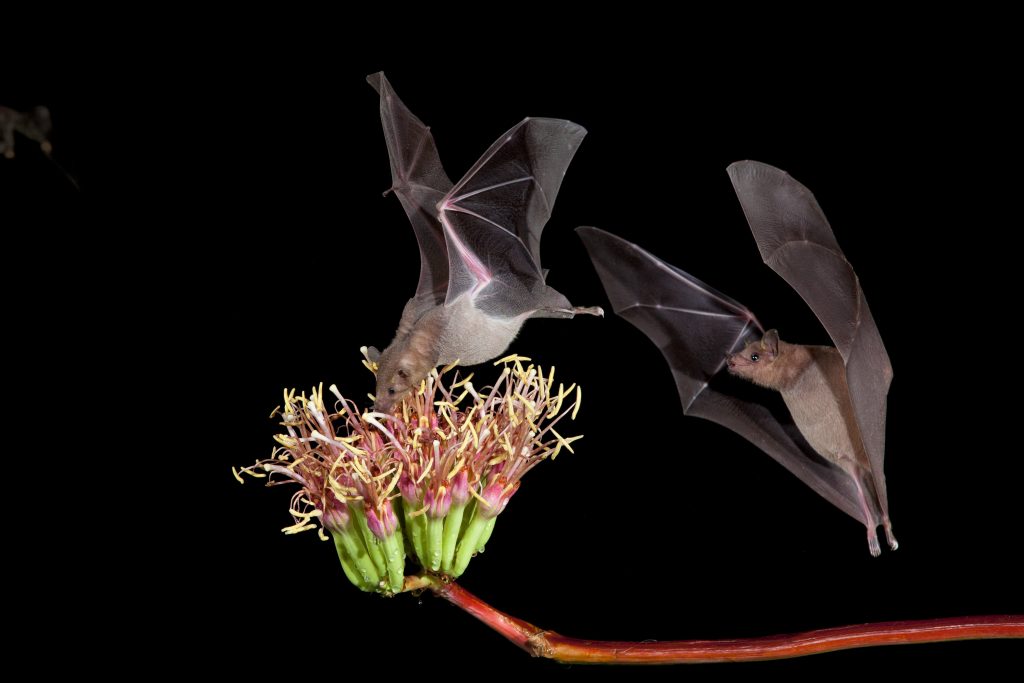
At Disney’s Animal Kingdom, guests can encounter another type of bat, flying foxes, whose impressive wingspans and gentle movements often surprise and spark curiosity. Seeing these animals up close helps reveal an important truth: bats play a vital role in keeping ecosystems healthy as pollinators.
Keeping the Ocean in Balance
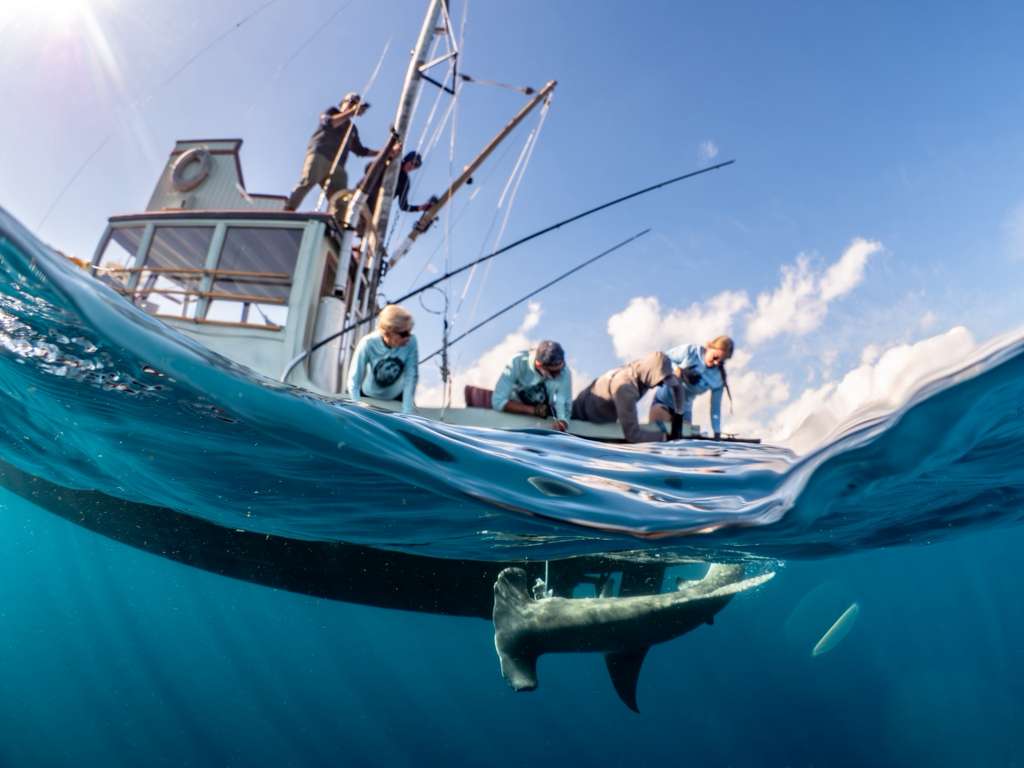
Sharks often surprise guests when they see them up close at The Seas with Nemo & Friends at EPCOT. While sometimes misunderstood, sharks are graceful, powerful animals that play a critical role in maintaining healthy oceans. Protecting sharks helps keep marine ecosystems in balance — supporting life beneath the waves around the world.
Through DCF, those moments of discovery extend far beyond the aquarium. Ocean First Institute is advancing conservation of great hammerhead sharks — one of the ocean’s most iconic and critically endangered species — in the Florida Keys, through research and education. Using tools such as satellite tagging and remote underwater video systems, the team is working to better understand the marine corridors these sharks use and inspire stewardship for oceans globally. Over the next two years, the team is working to protect approximately 60 nautical miles of marine corridors within the Upper Florida Keys National Marine Sanctuary, including critical pathways connecting offshore reefs with inshore nursery areas.
Small Wings, Far-Reaching Impact
Butterflies may be small, however their impact is anything but.
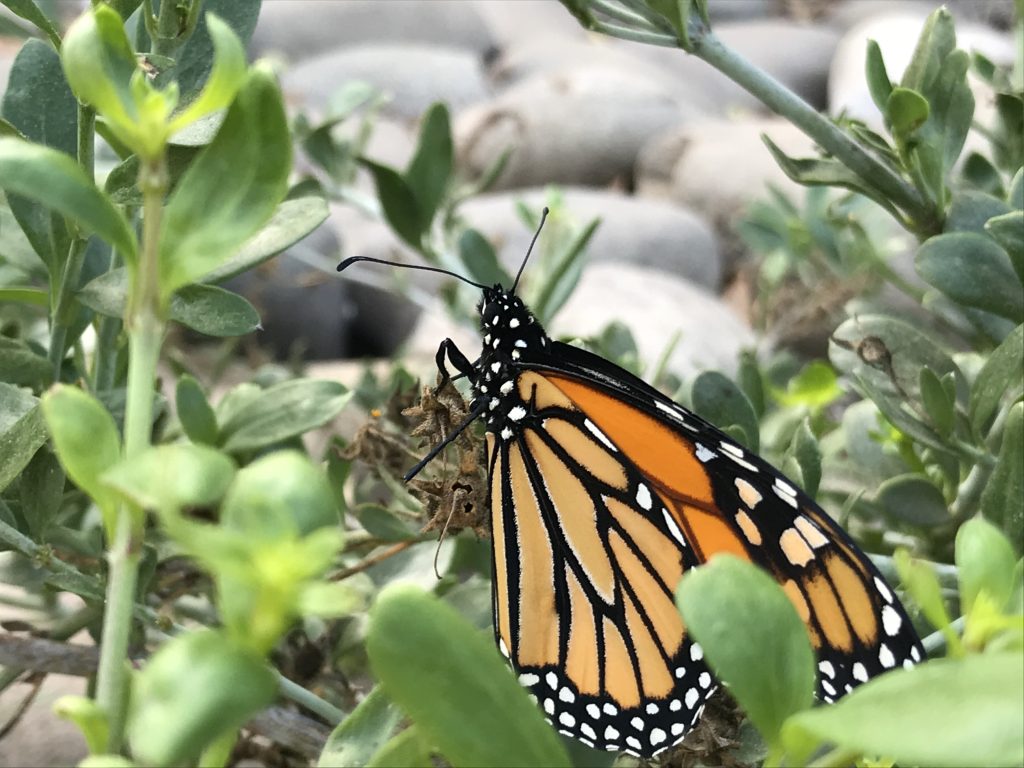
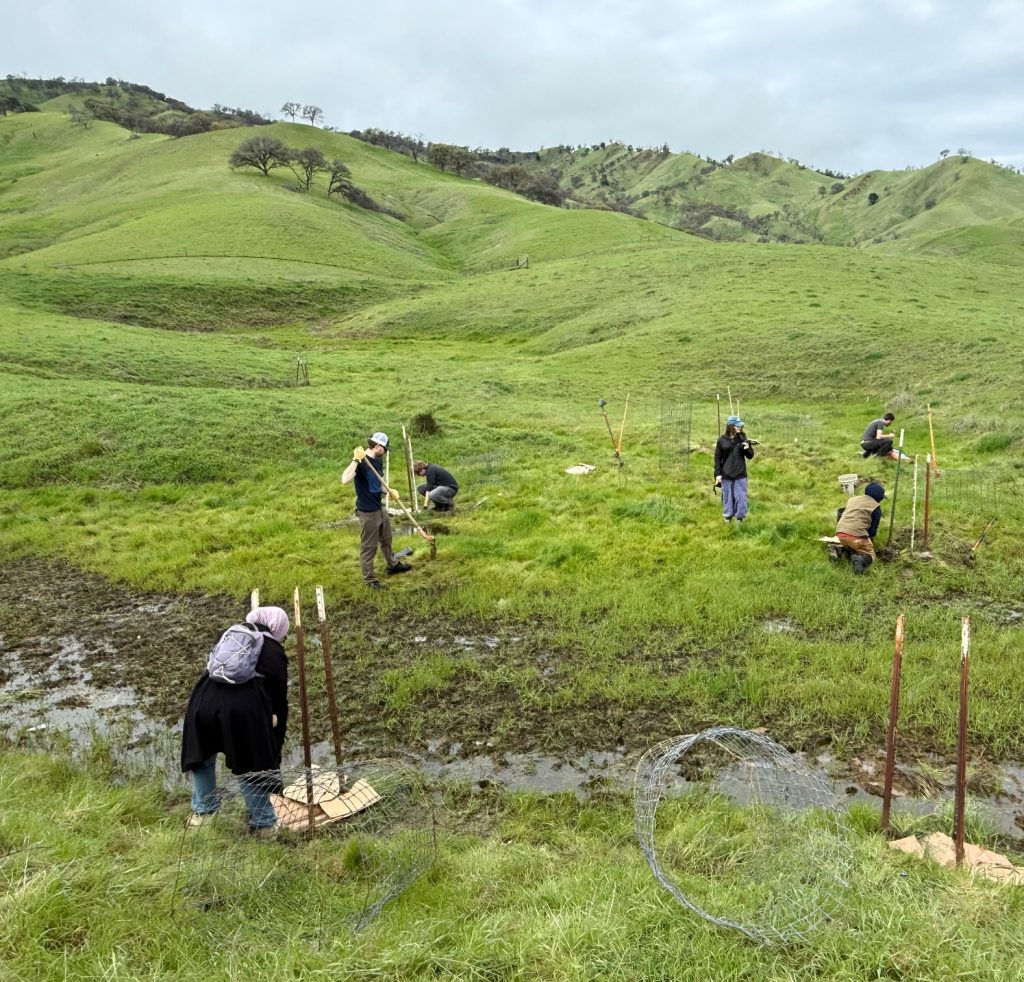
Monarch Joint Venture is restoring and connecting 15 miles of monarch butterfly habitat across important migratory routes in California’s Bay Area and Central Valley over the next two years by distributing and installing approximately 6,000 native plants and engaging participants from homeowners to farmers to students to establish community-led habitat corridors.
During the EPCOT International Flower & Garden Festival, guests can encounter monarch butterflies at Butterfly Landing presented by AdventHealth in World Nature, where hundreds of butterflies and educational displays illuminate their life cycle.
Tiny Primates, Critical Protection
In the wild, cotton-top tamarins are among the most endangered primates on Earth. This year, Proyecto Tití and Wildlife Conservation Network are extending protected areas for cotton-top tamarins by approximately 6 square miles — an important step toward a longer-term goal of building a 20-mile regional forest corridor between two critical areas. This work builds on a decades-long commitment to engaging Colombian communities in education programs, forest restoration and sustainable agriculture practices to create a brighter future for this species and the people who share their home.
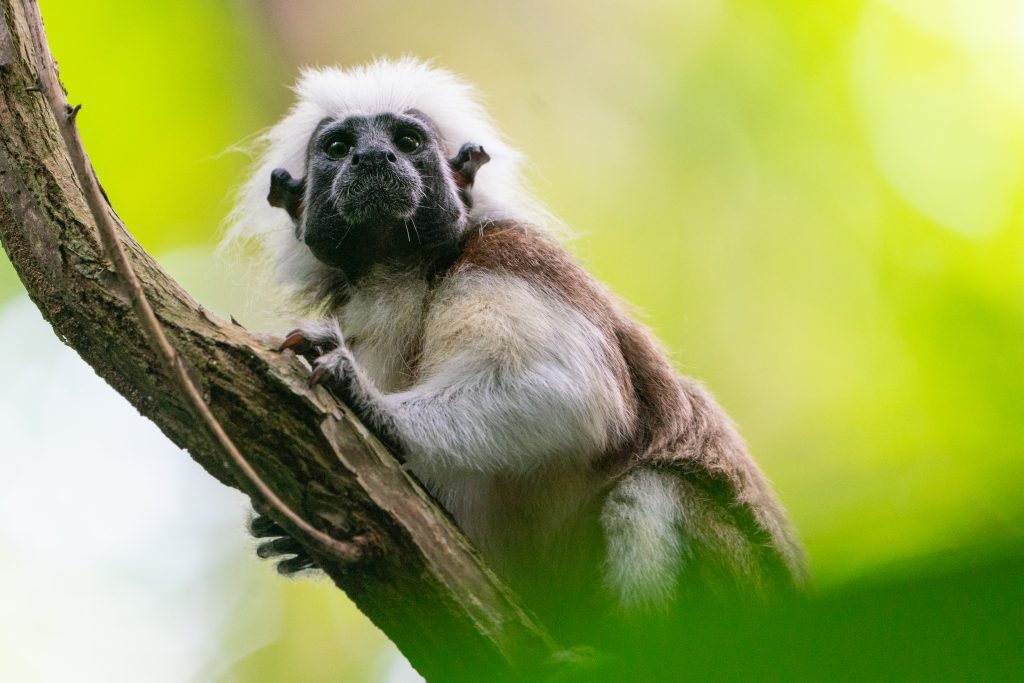
At Disney’s Animal Kingdom, guests are often captivated by the size, charm, and energy of these tiny primates. Watching cotton–top tamarins care for one another and move together as a family offers a powerful reminder that even the smallest animals play an essential role in healthy ecosystems — and that conservation begins with connection.
For a complete list of the most recent DCF grant recipients and more about Disney’s global commitment to conservation, visit disney.com/conservation.
Stay tuned for more environmental stories and updates from around the world this Earth Month by visiting TheWaltDisneyCompany.com/Disney-Planet-Possible and following Disney Conservation on Facebook and Instagram.
Photo Credits
The image at the top of the story was photographed by Federico Pardo