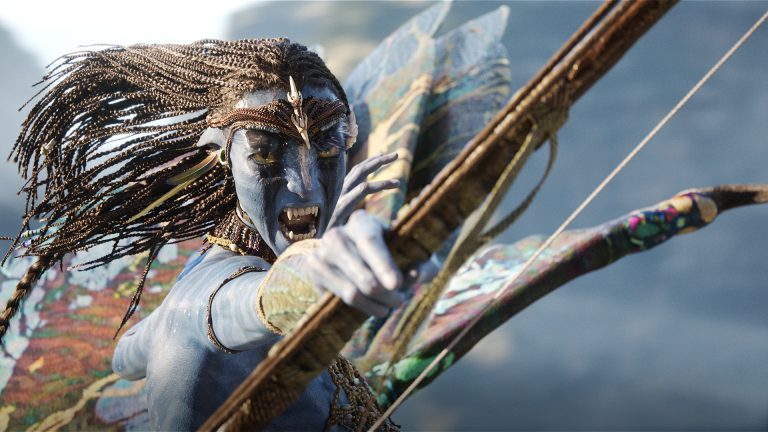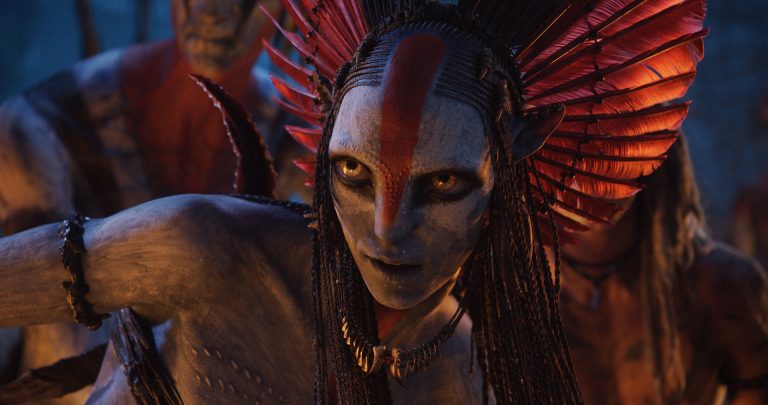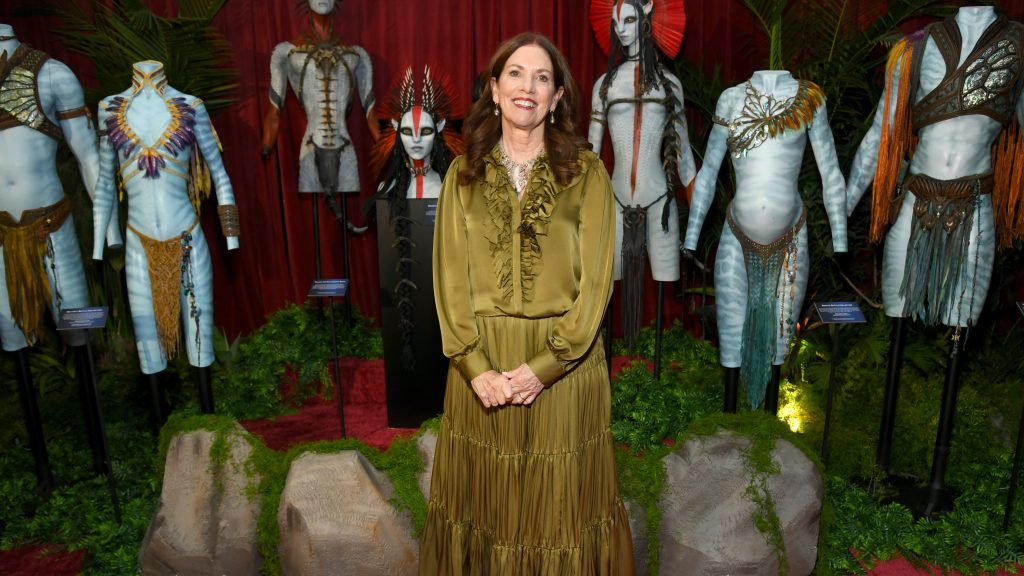
Every pixel of Avatar: Fire and Ash is a visual spectacle — right down to the bespoke costumes and accessories created by Oscar® winner Deborah L. Scott, whose work in the groundbreaking film is nominated for Best Costume Design at the 98th Academy Awards®.
“I was very surprised by this nomination,” Scott said. “My work on this film was outside the box. I’m really proud of the costume design branch of the Academy, because this nomination is proof that we can design costumes in all sorts of ways, in all sorts of places. That’s the most exciting thing — cracking the door open a bit. That’s what I’m proudest of.”
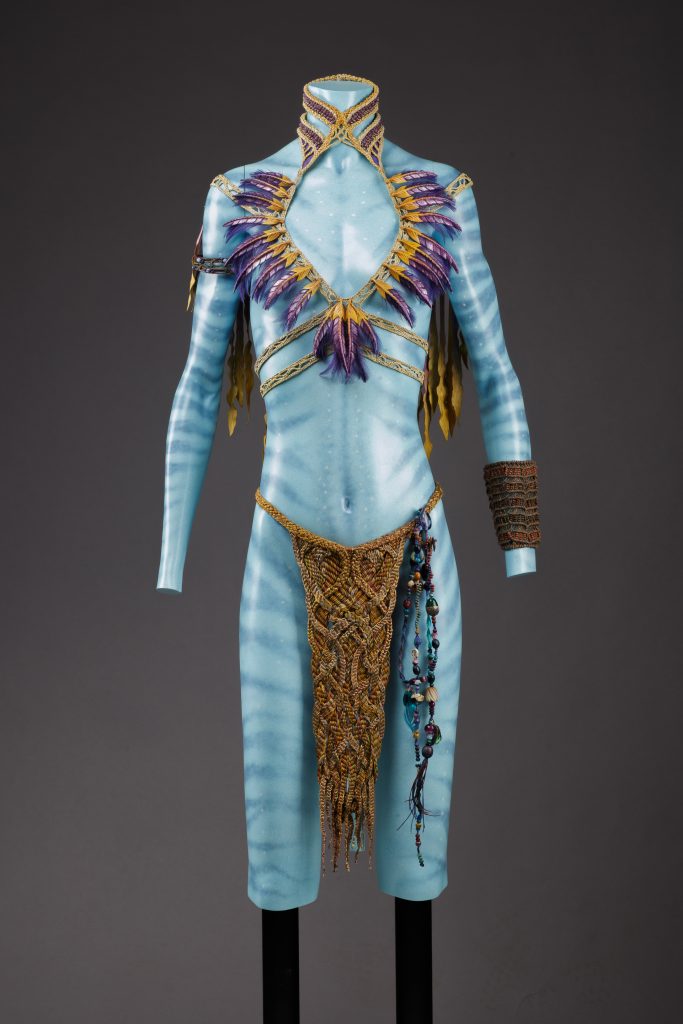
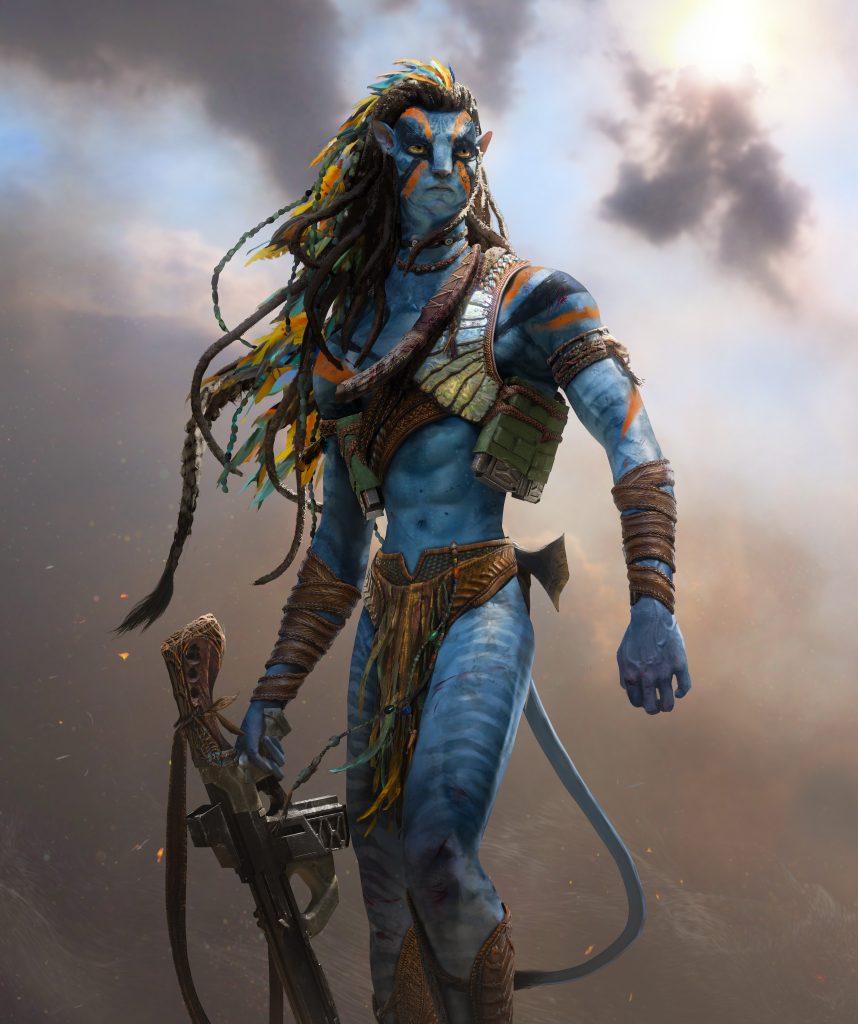
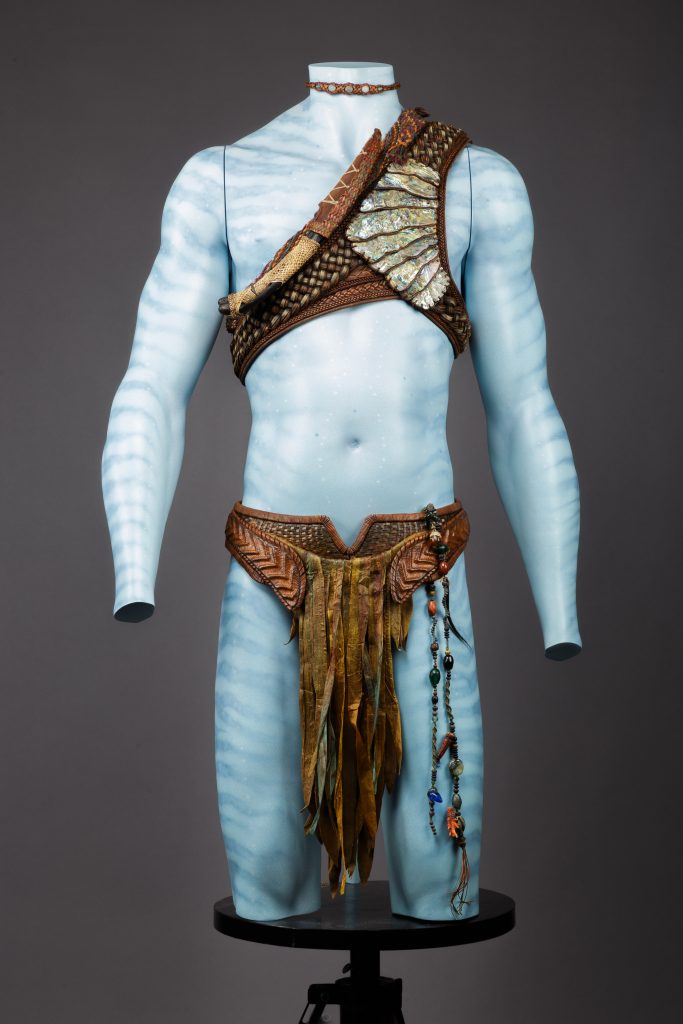
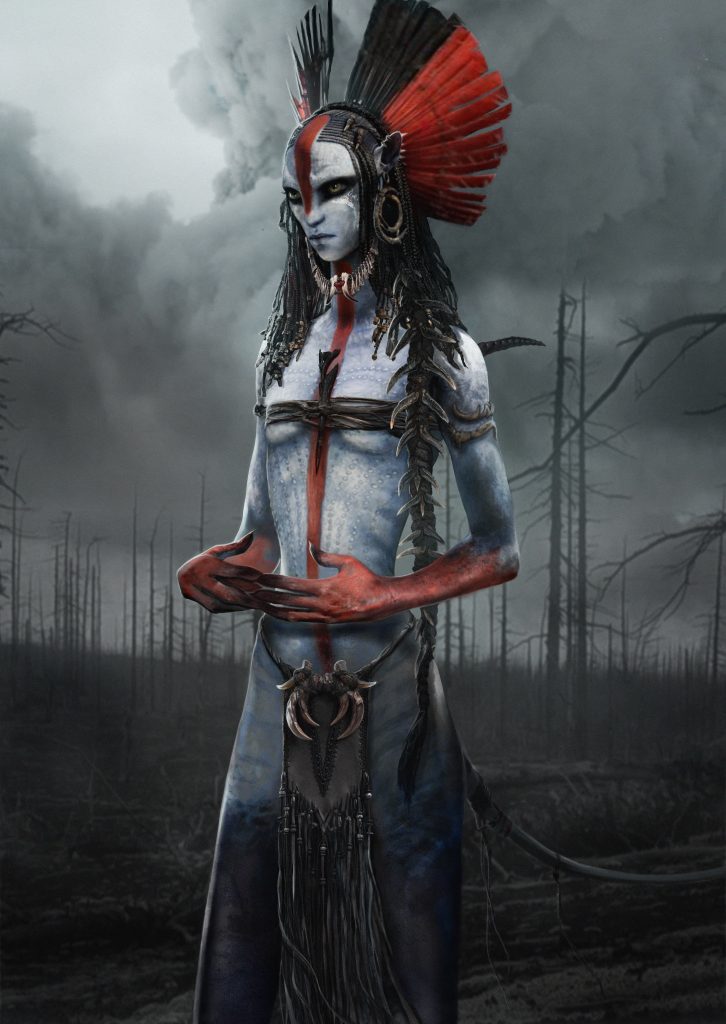
Scott is one of Disney Legend James Cameron‘s stalwart collaborators, having designed the costumes for Titanic (1997) before reuniting with him to work on Avatar (2009), Avatar: The Way of Water (2022), and Avatar: Fire and Ash (2025) — four of the most successful films of all time. Scott’s designs are singular, as her work in the Avatar franchise imaginatively and sinuously blends artistry with technology — a modus operandi that mirrors Cameron’s.
“Things have changed a lot,” Scott said. “With the first film, we were still figuring out a lot of the technology in real-time. That’s when it became clear that we needed to make physical samples. The VFX houses had a hard time with it; they would sort of shudder if you gave them a feather, or anything else that was soft. But they rose to the challenge. With the second film, the technology was better, so it was almost like, ‘Forget what we did before. Maybe there’s a cleaner, better way to do things — without sacrificing the design.’ We created a smoother pipeline to avoid troubleshooting with the VFX team down the line. That was important, because there were more costumes, and they were far more detailed.”
Impressive Improvement
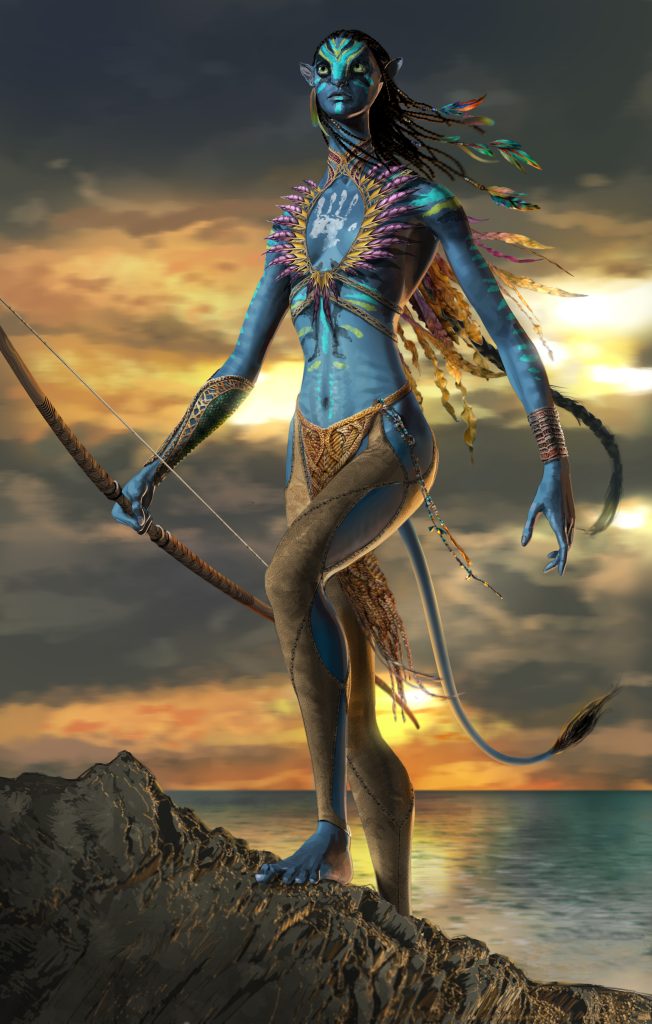
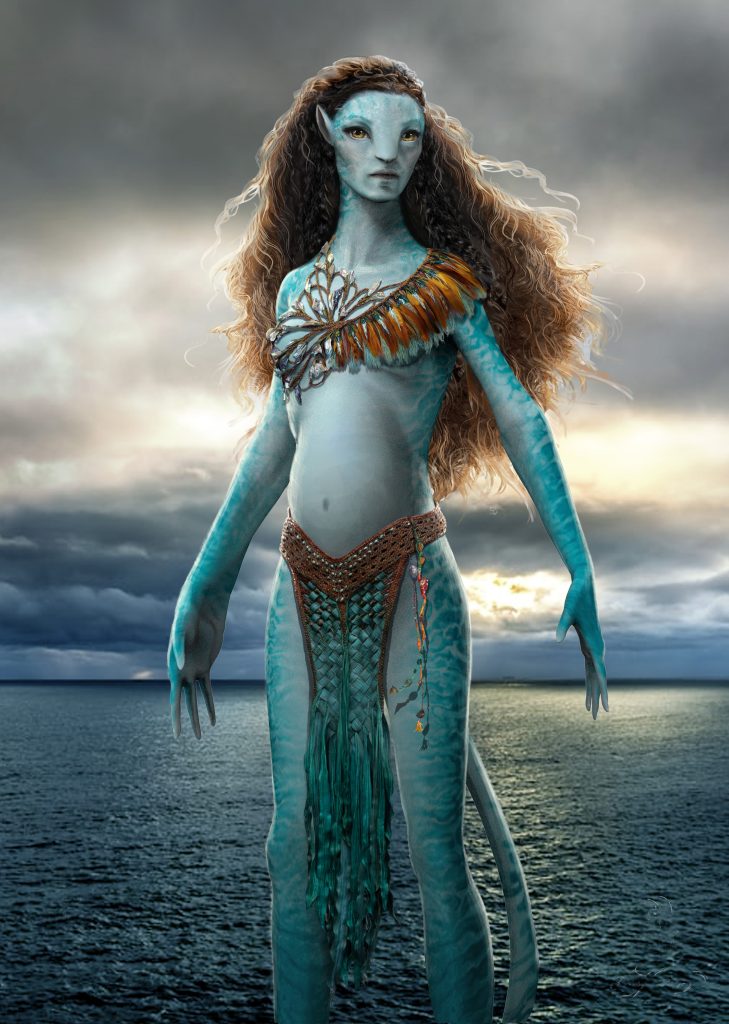
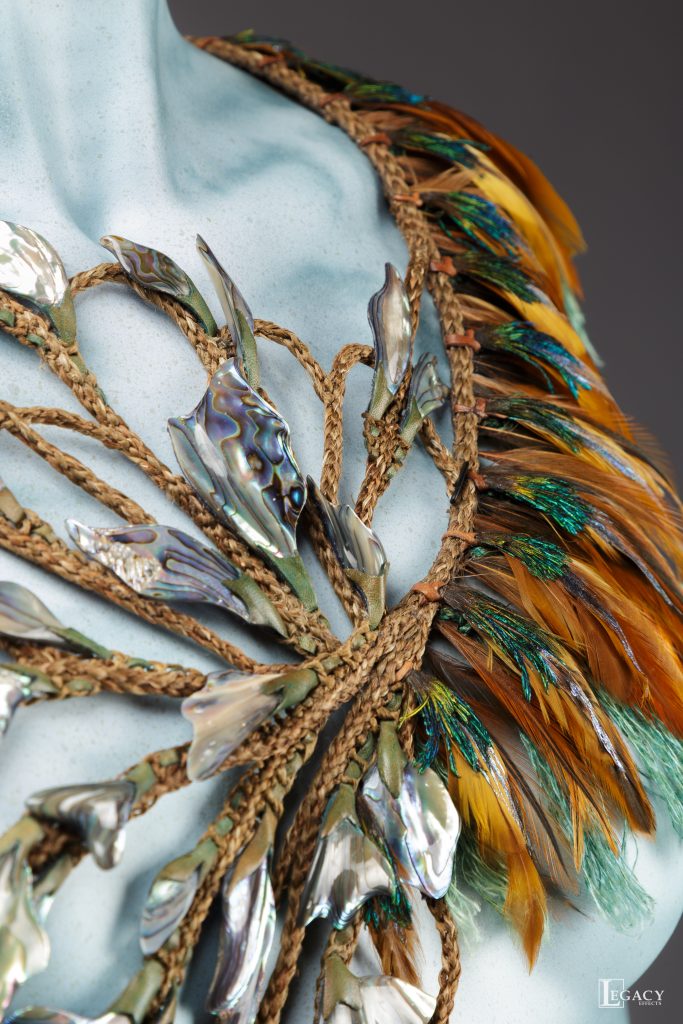
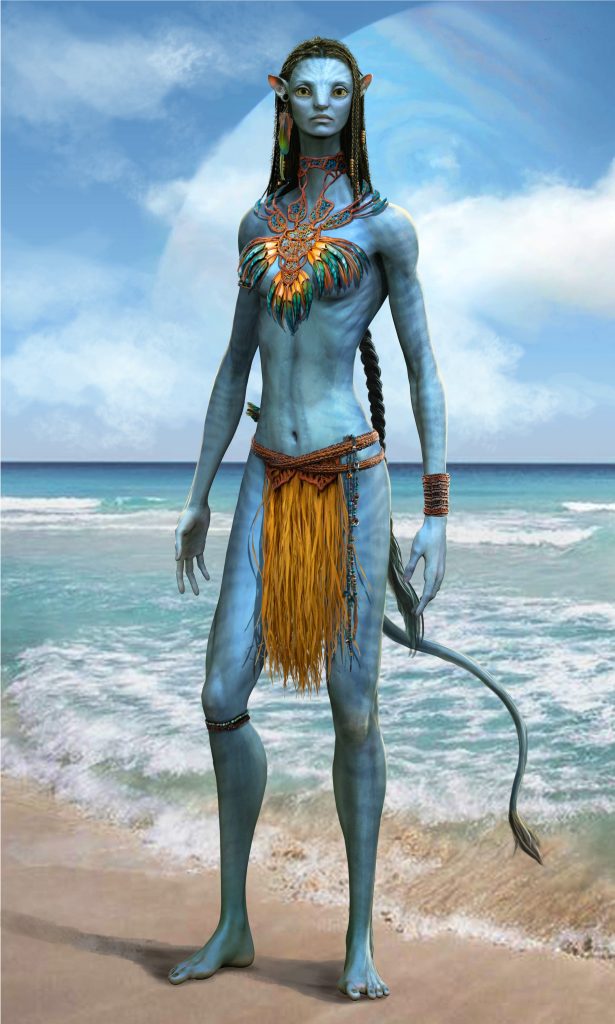
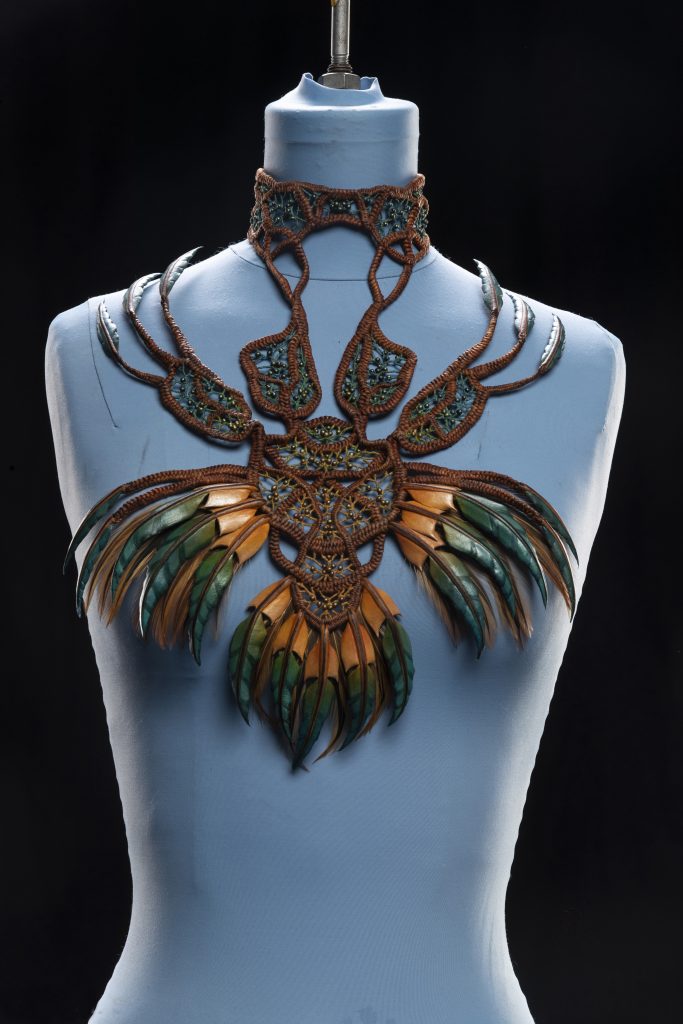
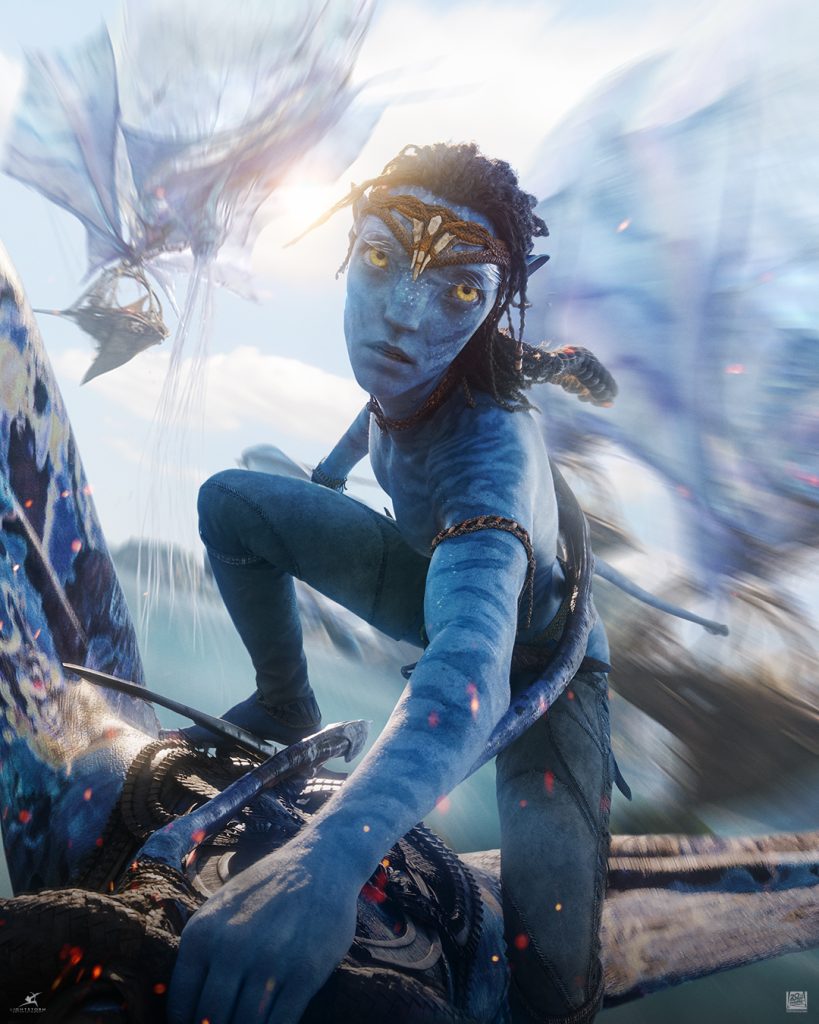
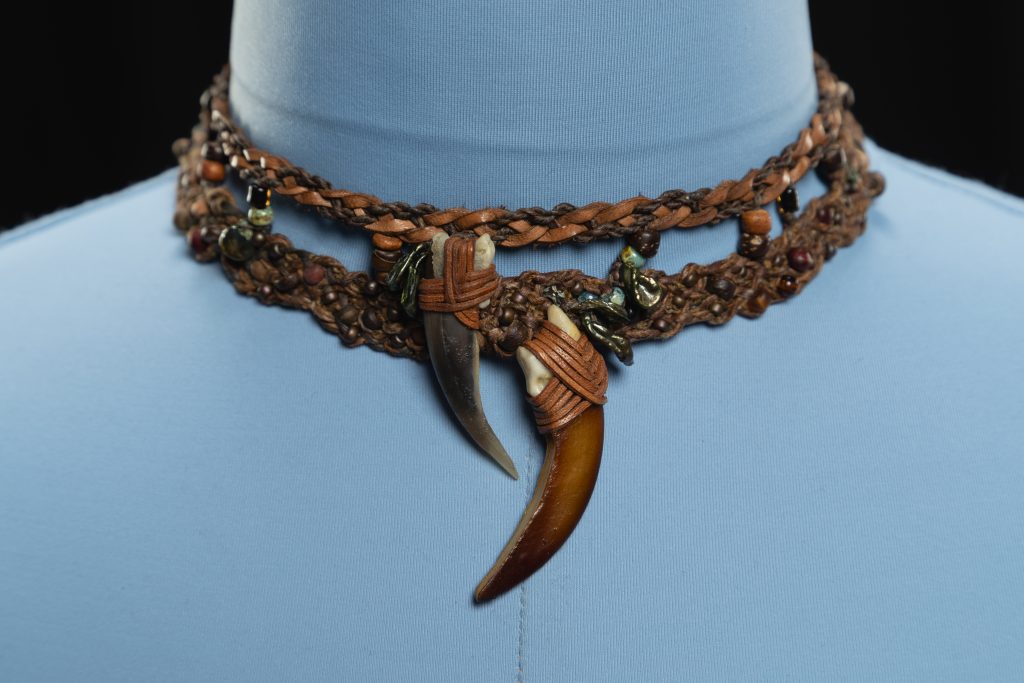
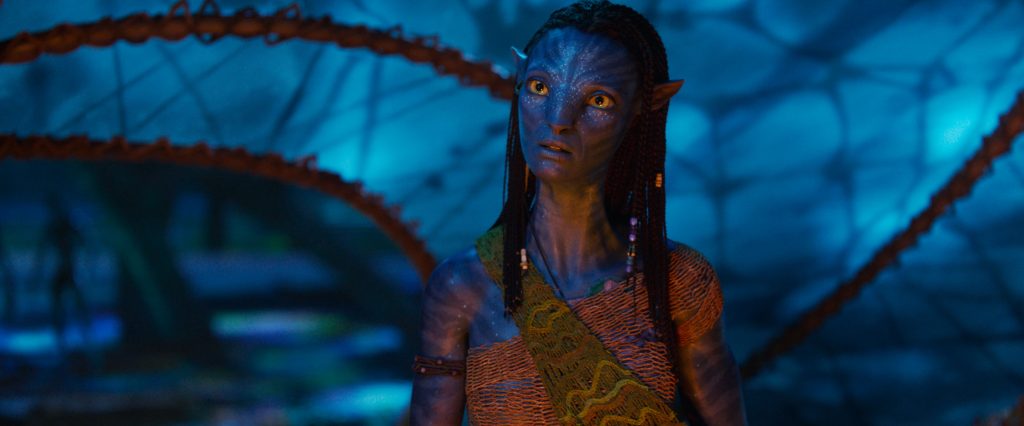
Avatar: Fire and Ash is once again set on the moon Pandora, home to the Na’vi people. For this film, Scott and her team spent years developing intricate textiles, beading, and embroidery for nearly 1,000 costumes. While Scott’s designs were rendered digitally by Wētā FX, everything was fabricated as real, tangible items. In fact, midway through production, Scott improved efficiency by creating a “lending library” — a digital and physical archive of accessories, costumes, and props for the Wētā FX artists to reference.
“It can be hard for people to understand the design from just a drawing, which is why the initial concept was to make the costumes, and then we would put them into the digital pipeline. I would never dumb a design down; that’s not an option,” Scott said. “The only option is to create each piece to the best of my ability and then turn it over to the VFX artists and recreate it with them. I get to guide them in their process. With a real, actual sample, nothing is left to guesswork. Previously they’d receive an item, scan it, and photograph it — but the wonderful artists didn’t ever have the real thing in front of them.”
“So, I would go over to Wētā Workshop, and I would put the items on mannequins,” Scott continued. “I wanted the artists to see them, to feel them, to look at them — to really get the details down. If you’ve ever been in a workshop, or if you’ve ever made a garment, you know it’s a very particular process. We can have long discussions about the width of the seam or what kind of bead to use. I do the same thing with the digital artists, just in a different way. We discuss things like, ‘How does it move in the wind? How heavy is it? Does it press to the body or is there space?’ It’s a very detailed, very long, but rewarding journey.”
Ceaseless Creativity
Whereas Avatar introduced audiences to the rainforest-dwelling Omatikaya Clan and Avatar: The Way of Water introduced the shoreline-inhabiting Metkayina Clan, Avatar: Fire and Ash doubled the number of clan introductions. Part of Scott’s responsibility was to create clothing, accessories, and props that would distinguish the Tlalim Clan, aka the Wind Traders, and the Mangkwan Clan, aka the Ash People, from the two established Na’vi clans.
“I knew the two clans had to be remarkably different while still following the same rules of all the clans: they weave, they make their own garments, etc.,” Scott said. “You stay within the framework, so the real fun was getting to customize things based off of their stories.”
By the Numbers
• 306 costume samples manufactured for the Ash people
• 333 costume samples manufactured for the Wind Traders
• 387 costumes created for the principal characters
• 400+ items created for the live-action costumes in Na’vi style
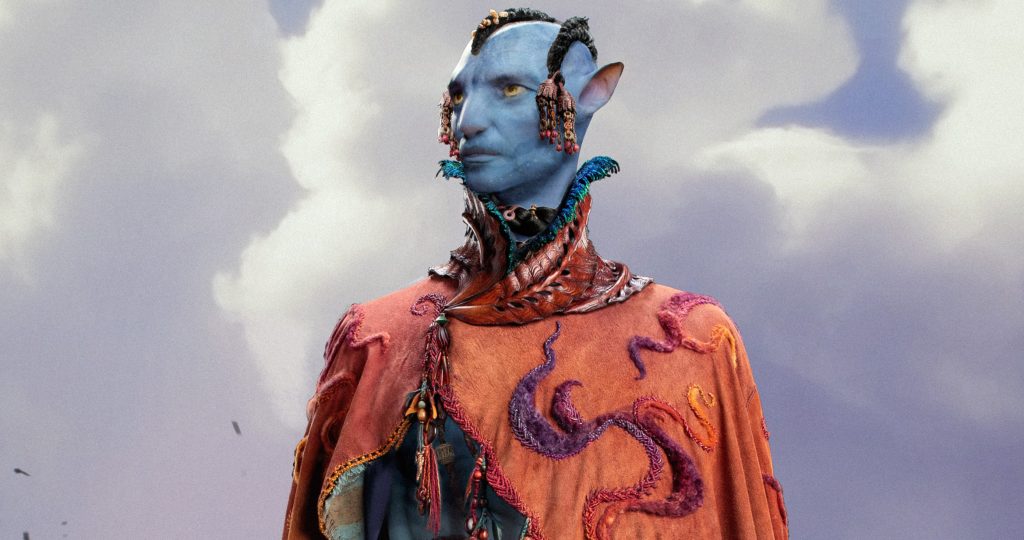
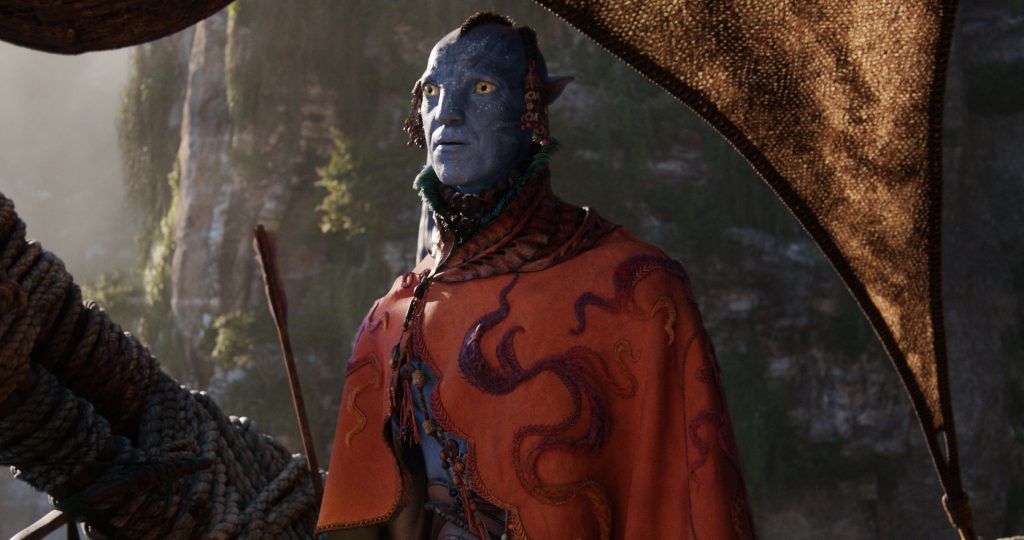
The Tlalim Clan “mostly flies around in a gondola,” she continued. “It’s a higher elevation, so it’s colder and windier. How did they cover up their bodies? In talking to Jim, I thought, ‘They’re happy-go-lucky. They travel around and spread gossip and bring wares, so they should be much more colorful.’ Then I thought, ‘What colors haven’t we done?’ I settled on some very saturated jewel tones. For their weaving, we loomed cloth; it has a lot of variations. My idea was, ‘When they’re up in the sky, what are they looking at? The sky, the clouds, the earth. What does it look like when they look down?’ I put that into the design.”
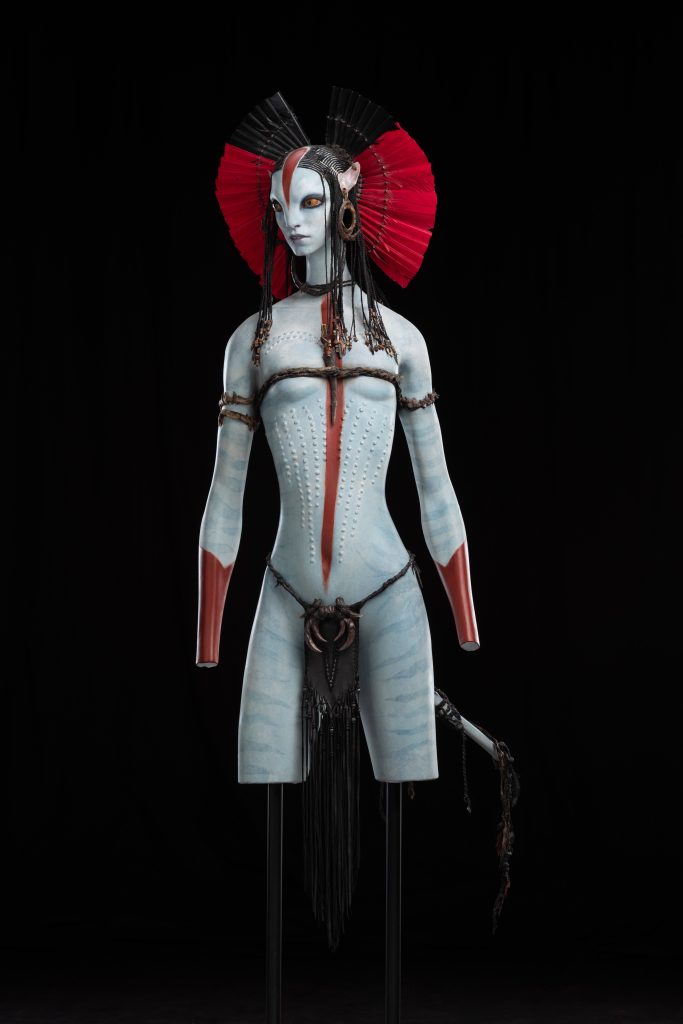
Meanwhile, the Mangkwan Clan — whose culture and lifestyle were dramatically altered after a volcanic eruption destroyed their home — have striking look inspired by their wrath.
“These are people who are really masochistic and sadistic,” Scott said. “We knew that the environments always play an important role in the costuming, and their environment is a burnt-out volcanic landscape. They have less materials. They’re not traveling around in a gondola collecting things; they’re living in a pretty yucky situation. Jim gave me the idea for the first headdress that Varang [Oona Chaplin] wears, as well as the idea of minimal clothing; that’s how many first peoples started. You’ll notice that in the supporting players — not with Varang so much, because she’s pretty high ranking and gets whatever she wants. These people don’t have a lot of time to make a lot of stuff, so they decorate their bodies, which is another incredibly common thing indigenous peoples do. The red color scheme, Jim was pretty set on. We talked a lot about, ‘Is it matte? Is it shiny? Is it granular? Is it ink? Is it paint?’ I started doing designs on paper of different ways to put stripes on the body. What does it mean? Does the lowest guy have one stripe? The masochism and the sadistic part comes in through the piercings and the scarification. It’s a way to show that their bodies — and their body ornamentation — are almost more important than clothing.”
For Scott, being able to play in the Avatar sandbox has been a dream come true.
“That’s the gift, right? You get to continually go to new places with Jim; he’s not doing a repeat,” Scott said. “We follow the characters through the script and think, ‘What’s the most exciting way to present this?’ The world’s our oyster. We can come up with anything.”
Hosted by Conan O’Brien, The Oscars will air live on ABC and stream live on Hulu on Sunday, March 15, at 7 p.m. ET/4 p.m. PT from the Dolby® Theatre at Ovation Hollywood.